

Keloid
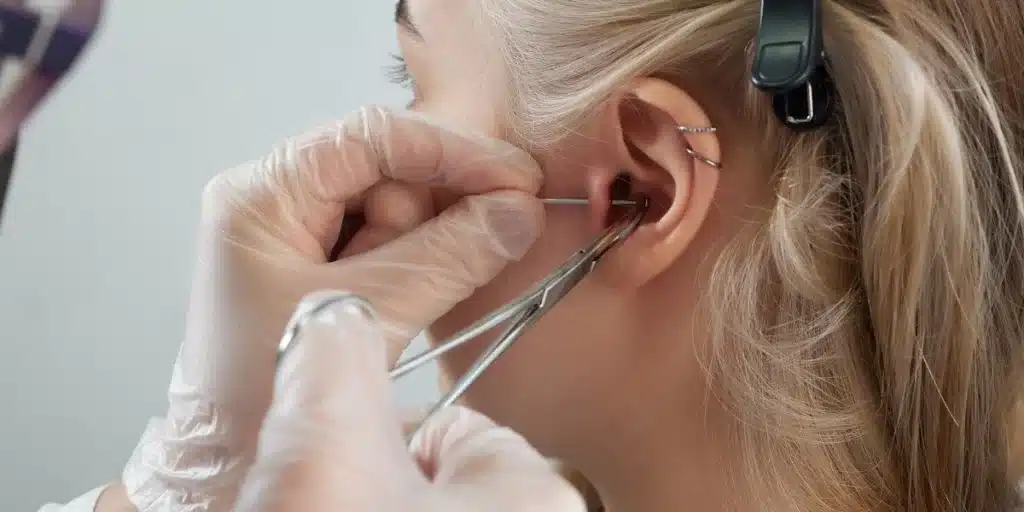
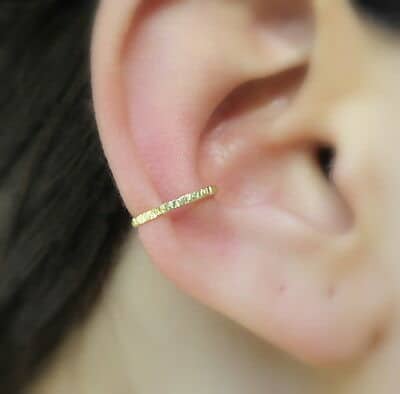
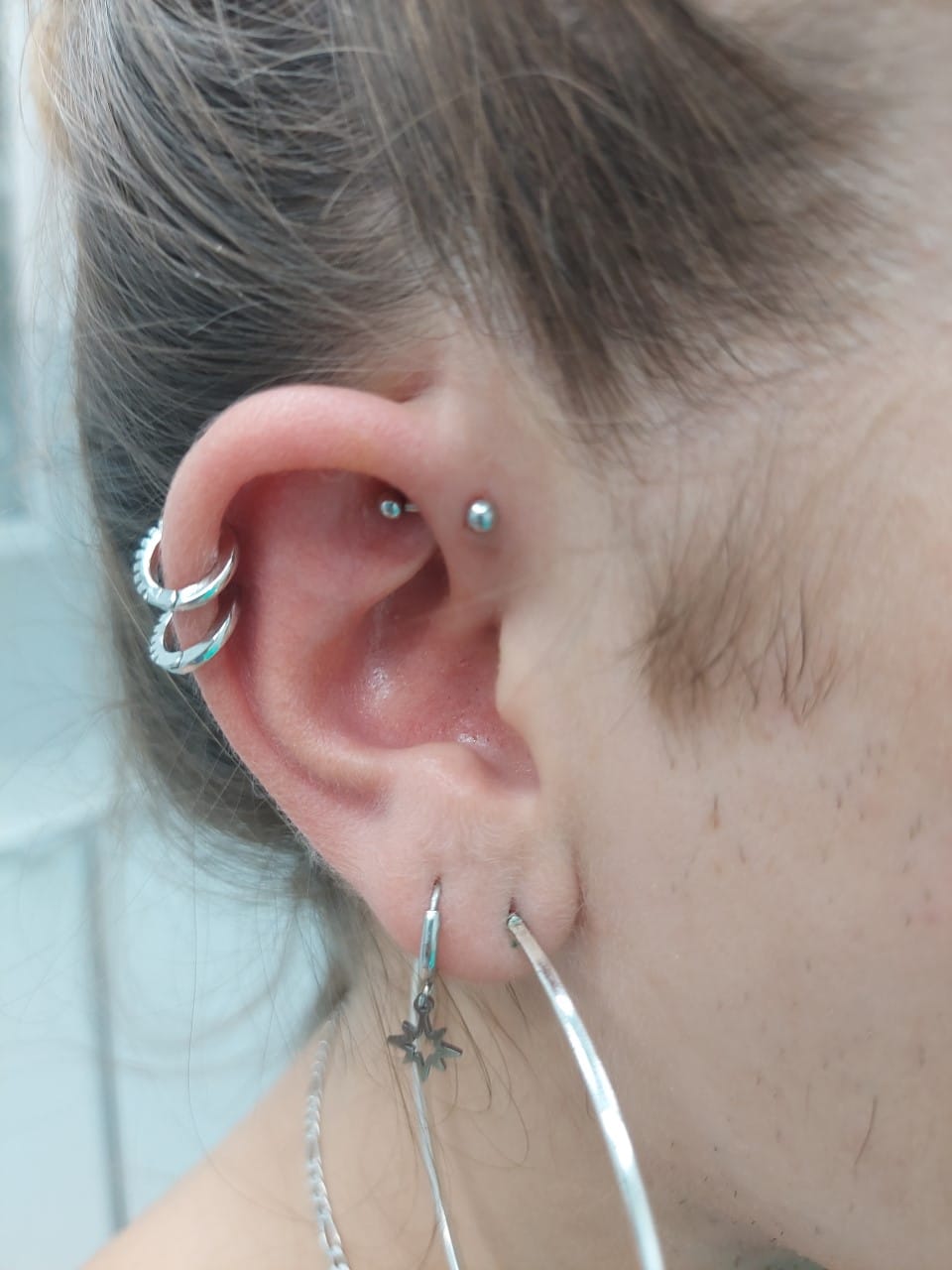
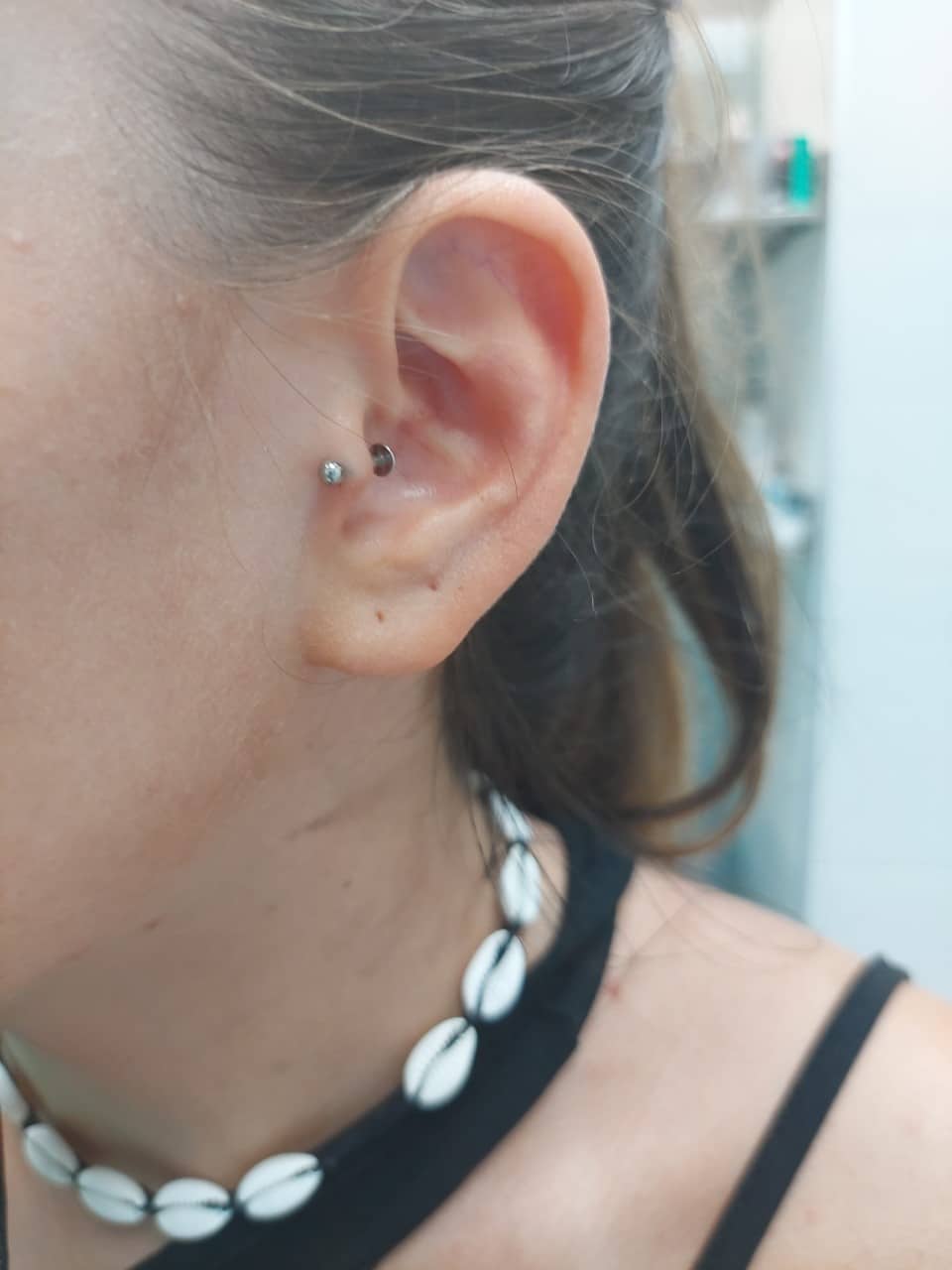
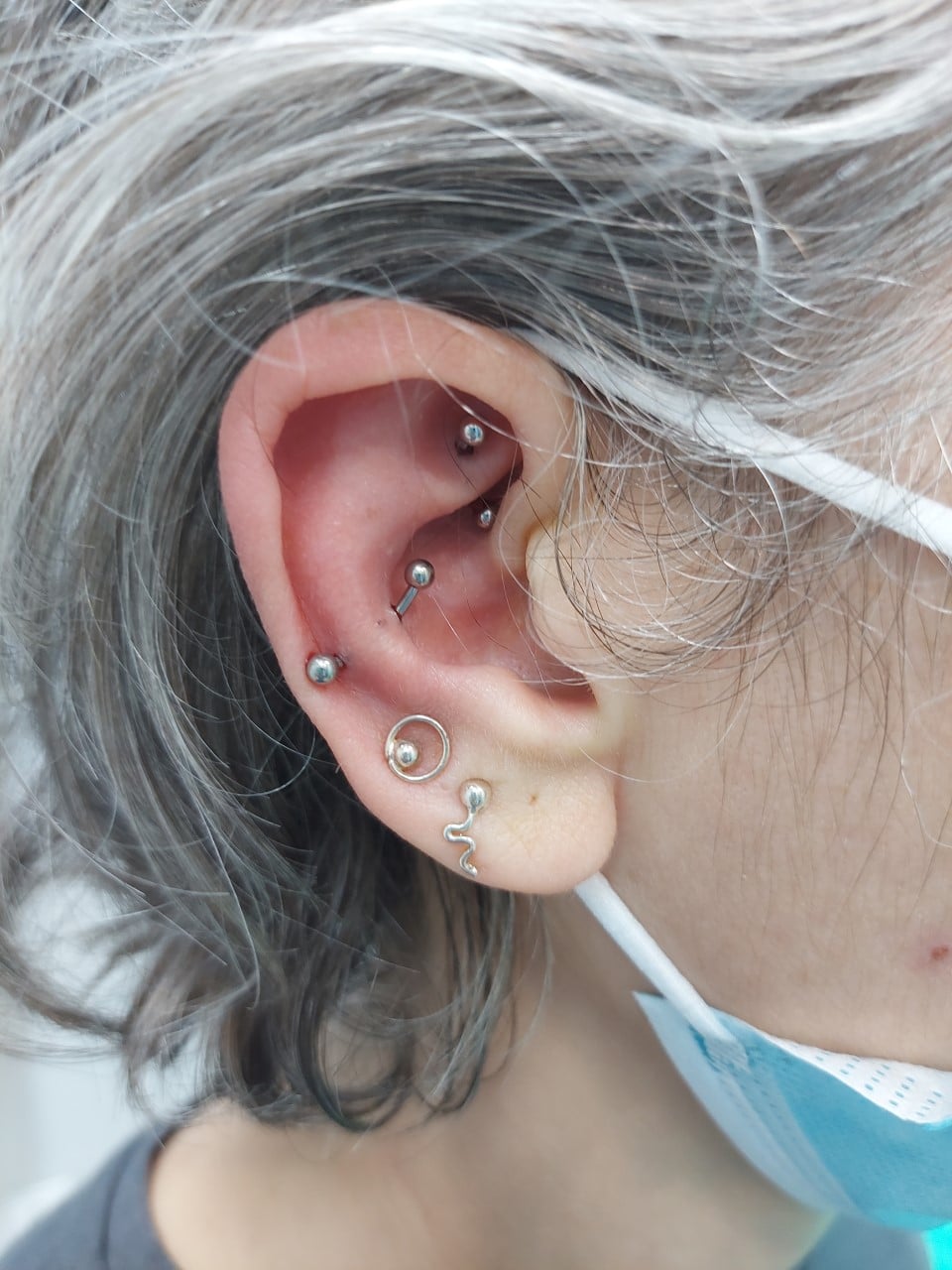
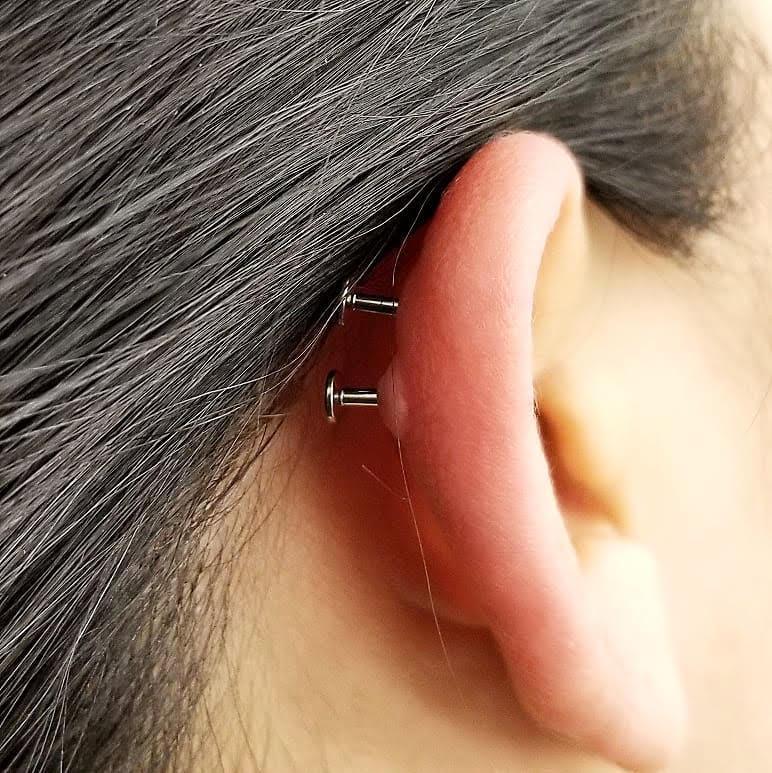
Cartilage piercings such as helix, tragus, industrial or nose piercings heal more slowly than other piercings and are therefore more prone to healing problems.
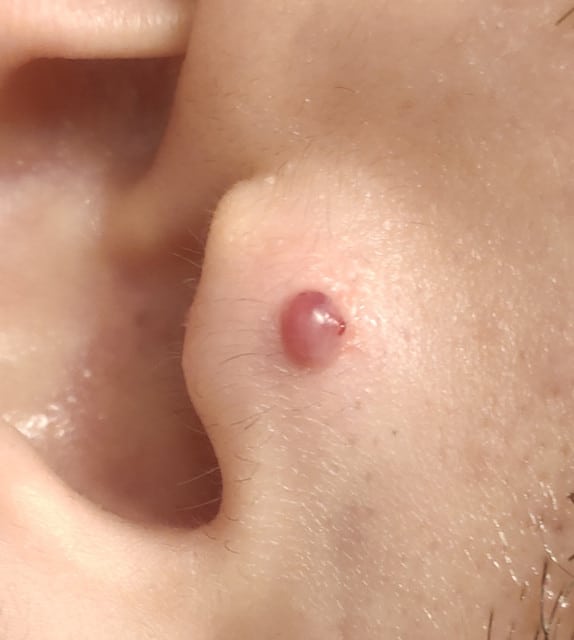
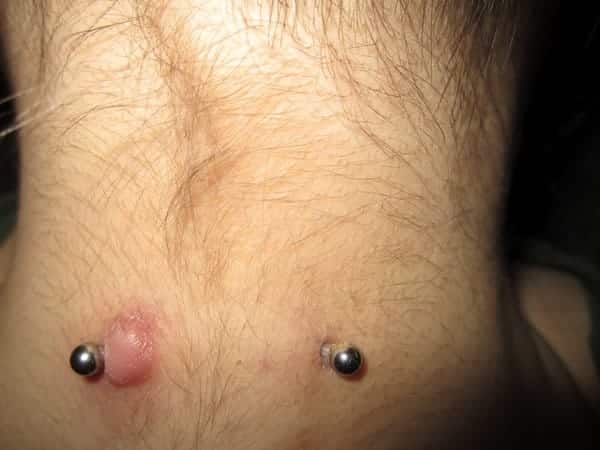
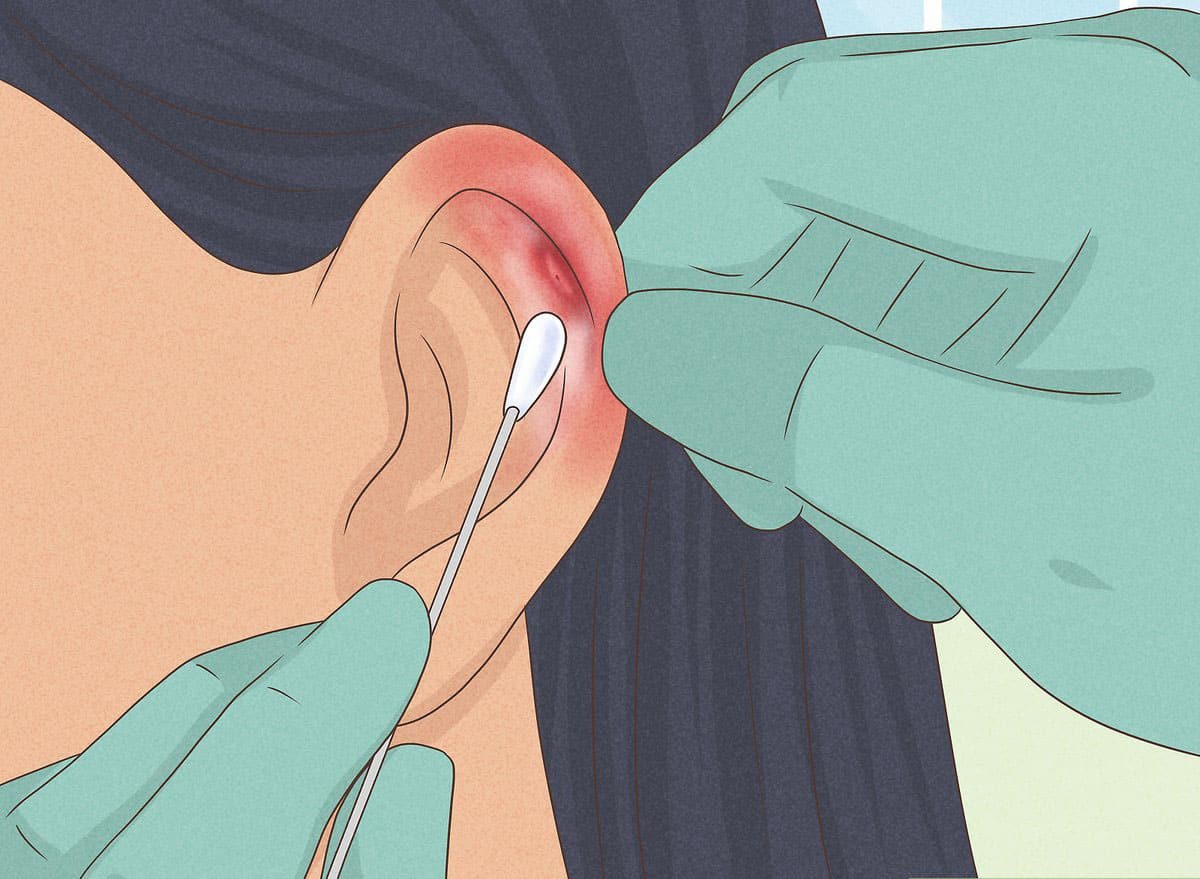
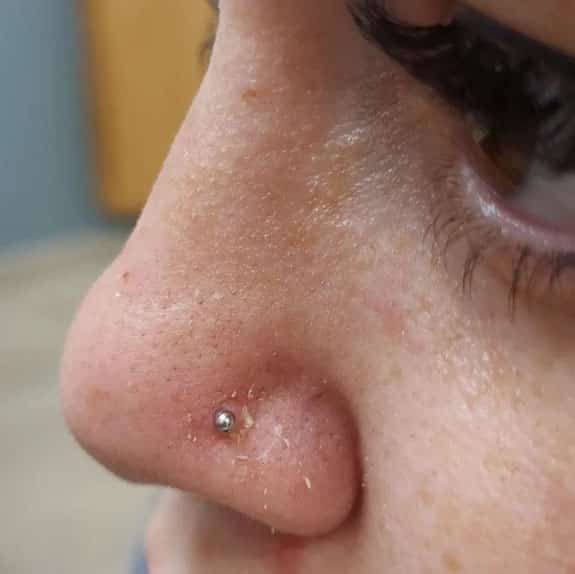
A common irritation in these cases are keloids, which are benign tumours, keloid scars affect both sexes equally. . There are several ways to get rid of keloid scars, depending on where they appear.
Although keloids most commonly appear on body sites such as the ears, chest and nose.
They usually occur in areas where there were burns, scratches, lacerations, pimples, chicken pox, piercings, surgical scars...
What is clear is that we do not want it and we must bear in mind that in most cases the keloid is a mild infection.
So how do you remove that pesky keloid? We talk to our expert @acmebodypiercing who gave us a real talk on this subject and here is what he told us.
Is it a keloid?
Symptoms :
- Redness
- Bleeding
- Excess secretions
- Mild pain
If a small lump has appeared around your piercing, it may be...
- Small blister or pus-containing pimple
- A granuloma, which is a lesion that occurs about four to six weeks after a perforation, may occur later in life.
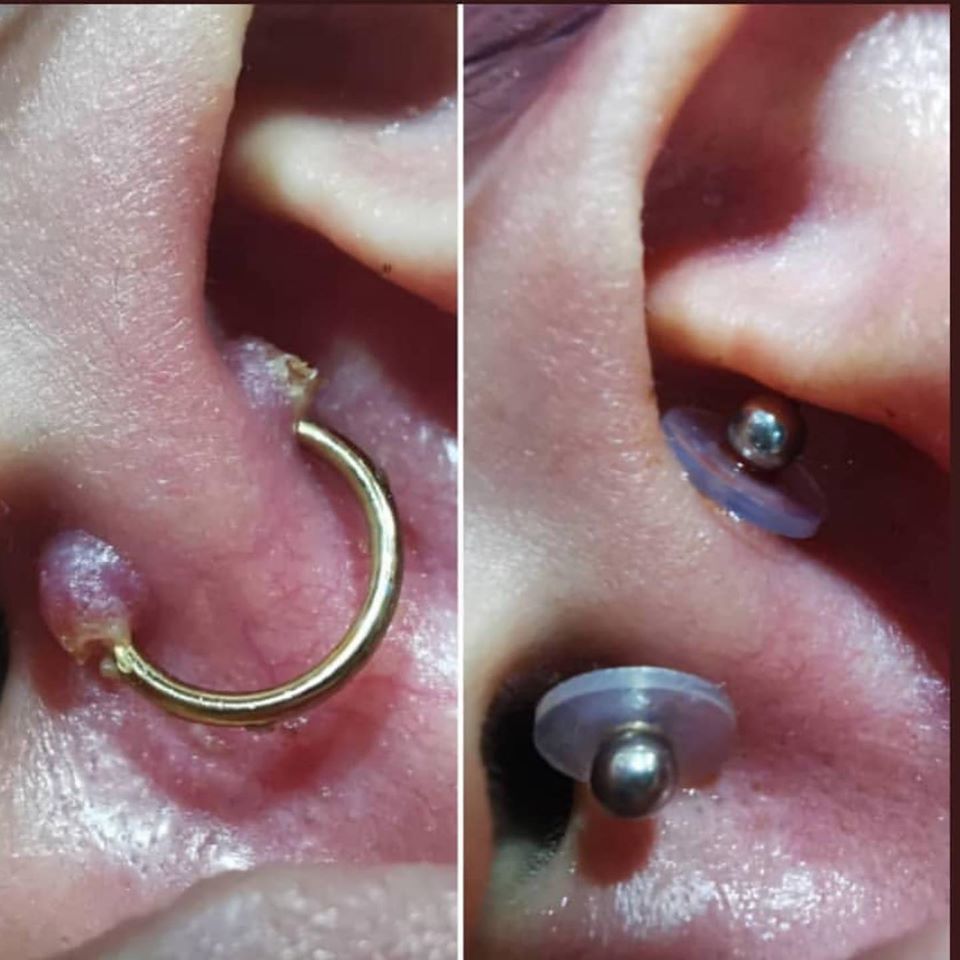
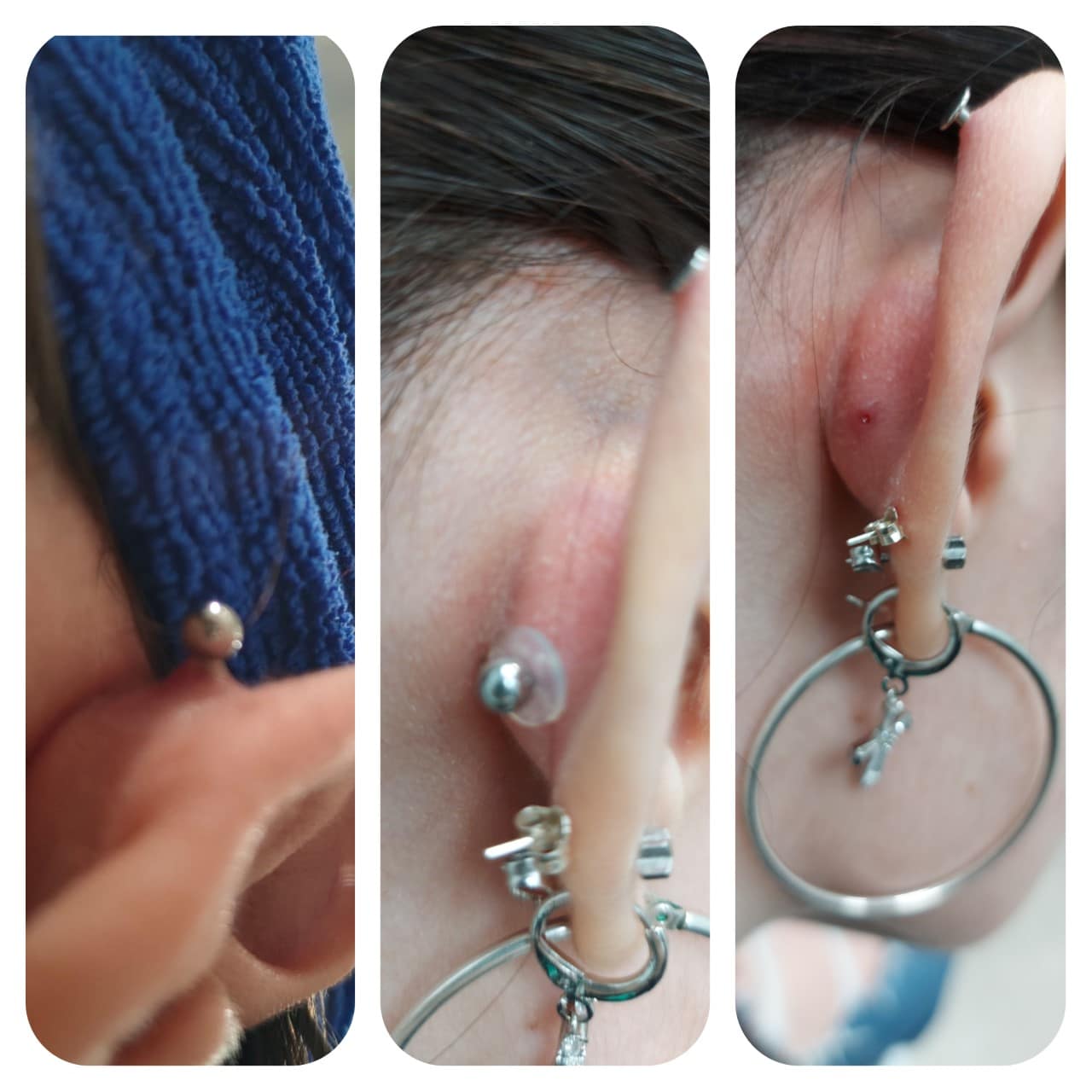
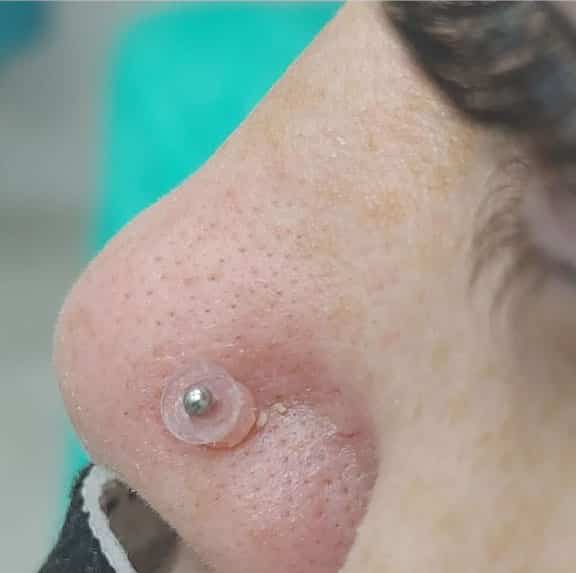
- A keloid, which is a type of thick scar that can develop in the area where it has been punctured.
Is medical care necessary to get rid of a keloid?
While mild swelling and redness are typical, more severe symptoms may be a sign of severe infection and require medical attention.
Consult your piercer or physician immediately if you experience:
- Uncomfortable pain or swelling
- Unusually thick or foul-smelling discharge
- Yellow, greenish or greyish discharge
- Fever
- Long-lasting inflammation
If the symptoms are mild, here are some tips to help your keloid improve.
Get your piercing right
Contact dermatitis, an allergic skin reaction, can cause bumps and cysts. Many people are allergic to certain metals. Allergies to nickel are particularly common.
If you are allergic to metals, you may experiment:
- Intense itching
- Skin sensitive to touch
- Redness or rash around the piercing
You may also have an unsuitable part for your perforation that is forcing the fabric and that is why the fabric reacts.
If this is the case change your piercing with the help of your piercer.
Any piece of this material will do:
- 18 or 24 carat gold
- Surgical Steel 316 L
- Titanium Implant Grade

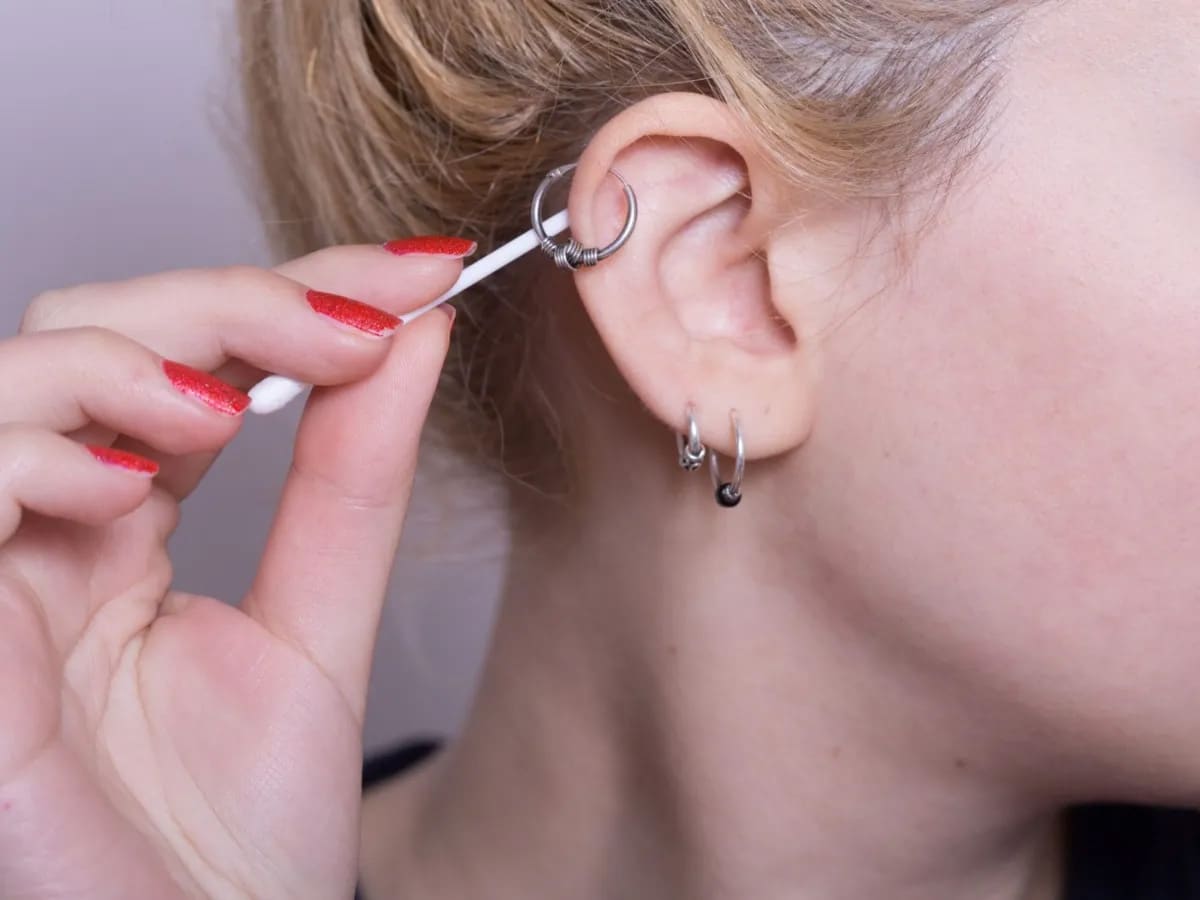
Clean Your Piercing
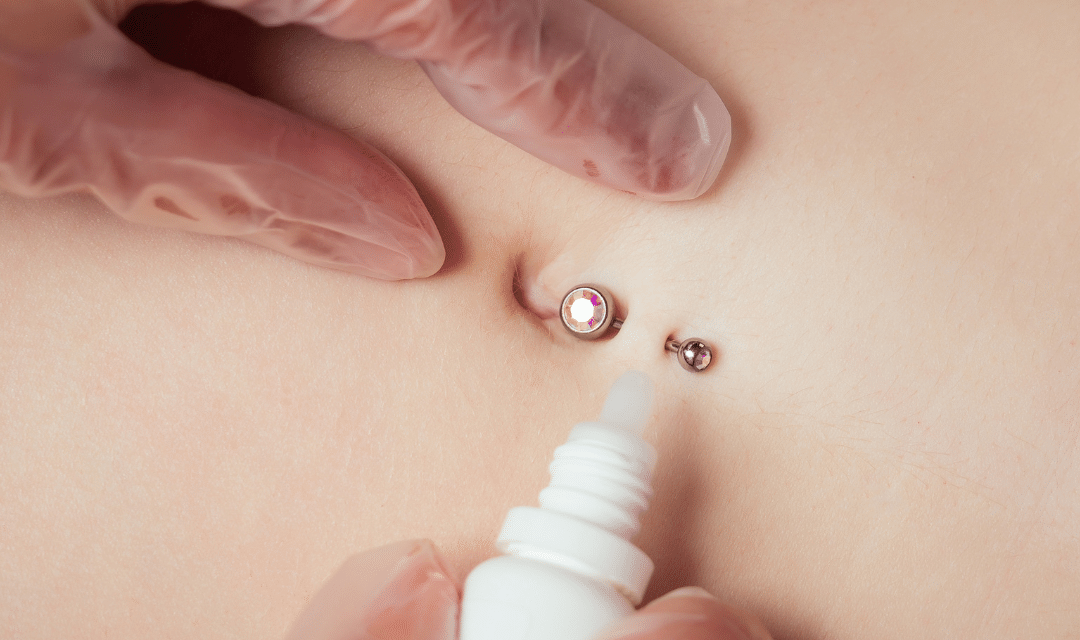
It is very important to clean your piercing, not only during the healing process, afterwards the pierced area needs "maintenance" and cleaning is important to avoid irritation and infection.
Avoid using these compounds to clean your piercing as they can irritate the pierced area if used regularly:
- povidone iodine (Betadine)
- chlorhexidine
- Alcohol
- Oxygenated water
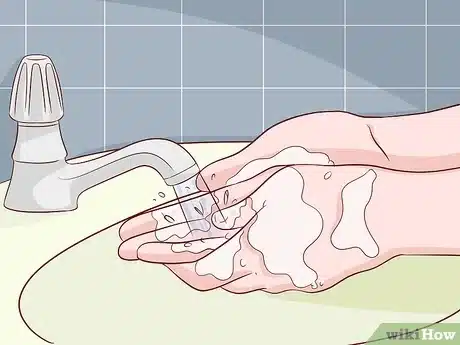
After cleaning, rinse the area thoroughly. Any soap residue may cause irritation.
Then apply the care lotion recommended by your Perforator.
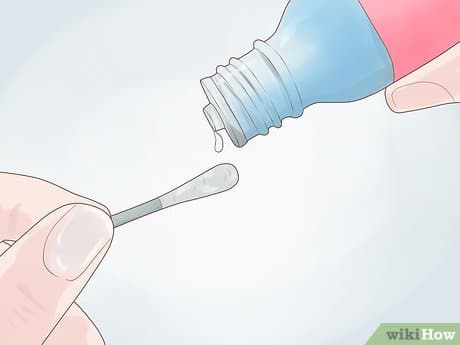
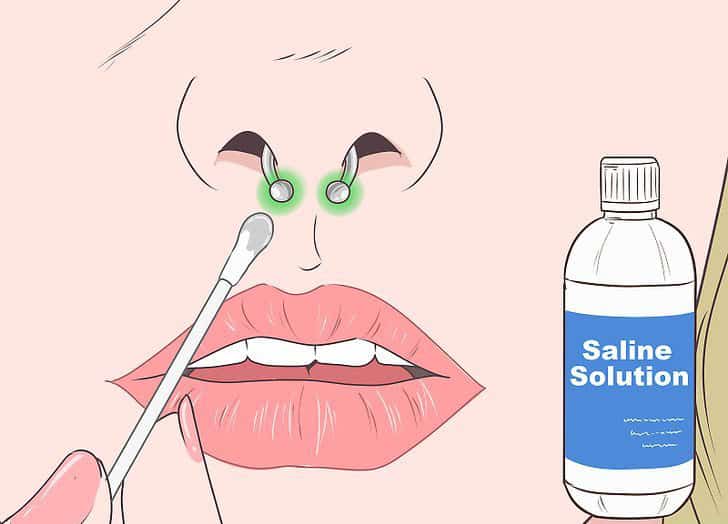
Cleaning with Saline Solution or Sea Salt Bath
Both saline and sea salt absorb and remove harmful bacteria that can lead to infection. They also remove dead cells and other debris that accumulate around the piercing and can form keloids.
.
4. Use a Chamomile compress
Chamomile is known for its powerful antioxidant and anti-inflammatory properties. Cotton wool moistened with warm chamomile water can help transfer these healing properties while increasing blood flow to the cartilage.
If you are allergic to ragweed, do not use chamomile.
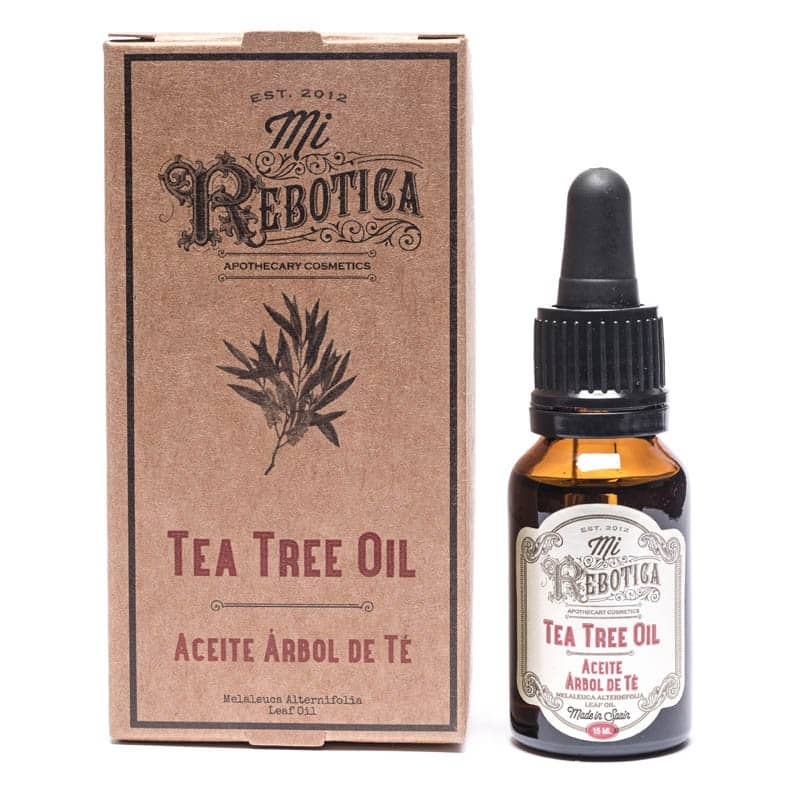
Apply diluted tea tree oil
Tea tree oil is a natural antifungal, antiseptic and antimicrobial agent, which is why it is so widely used.
If you want to use tea tree oil on the bump, you should dilute it with water or saline. You should also do an allergy test before use if you have not used it before.
Apply pressure
One solution that is working very well is pressure on the tissue around the perforation.
This is usually done by hand or with a silicone disc which, together with the piece, puts pressure on the keloid and the keloid gradually fades away. It is a minimum process of one to two months with the discs fixed to the affected area.
This pressure is very effective if the infection is in the early stages of the infection as it makes it remit with a high chance of success.
When should you consult your piercer?
A professional piercer will be happy to help you to heal your piercing and use their experience to your advantage.
If your piercing has been going on for a long time and is not getting better, talk to him for sure he will give you good advice.
If these steps have not worked and your keloid continues to give you war there are medical procedures, with laser, surgery or the use of steroids that can eliminate it, but this is something you should discuss with your dermatologist.
If you have any questions you can contact us at https://www.piercingprofesionalmadrid.es/



3 thoughts on “Piercing con Queloide”
I had one and the discs solved it.
hello, how can I remove a lump that came out of my left septum perforation, it came out about 4 weeks after I got it pierced. thanks.
My ear fell off, I read this post too late... disinfect it girls...