

You have had a puncture relatively recently and the area has started to bother you, it hurts? It is red, swollen and may even be leaking some fluid. Is it infected?
It is more common than we would like for our piercing to suffer an irritation or a small infection, and curing it means dedicating time and patience to the affected area. Otherwise, the consequences could be a cyst, keloid or similar problems if we do not treat it in time.
Don't worry or panic, because today we tell you how to get rid of this unwanted infection without having to remove the tooth, it is advisable to discuss it with a doctor in case the symptoms do not subside.
Symptoms
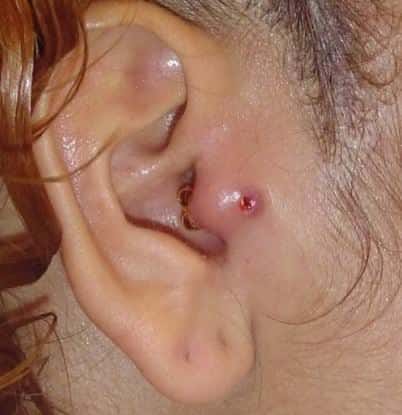
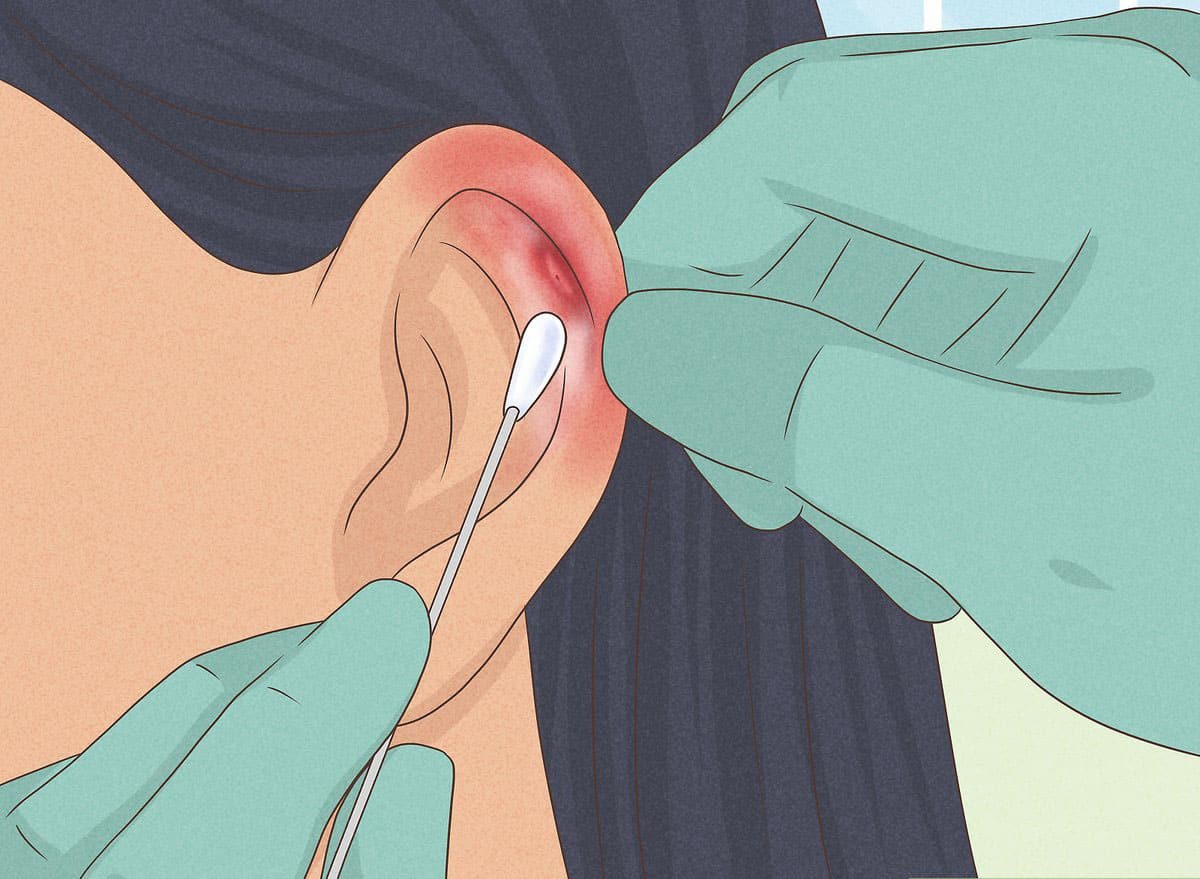
- Very red skin in the area
- Swelling and pain when the piercing is touched or rubbed.
- Discharge of fluid through the puncture, which may be yellow, white or green in colour and perhaps with some blood staining.
- The skin around it is hot and burns when you touch it.
If it hurts, but does not meet any of the above 4 points, there is NO infection.You've probably been moving it around a lot, it's putting stress on the area, a lot of rubbing, some small breakage, but it's not infected.

First step: Cleaning
First of all, it is normal for a piercing to be red and swollen for the first few days. After all, it is an open wound and your skin has to get used to the foreign body you have introduced. Don't panic if this happens during the first week, it is probably not an infection but your body's defensive reaction.
If several weeks have passed or if it was already healed and the redness returns, then you should start to worry. Most commonly, the skin will become inflamed, sore and secrete some kind of fluid such as pus or lymph.
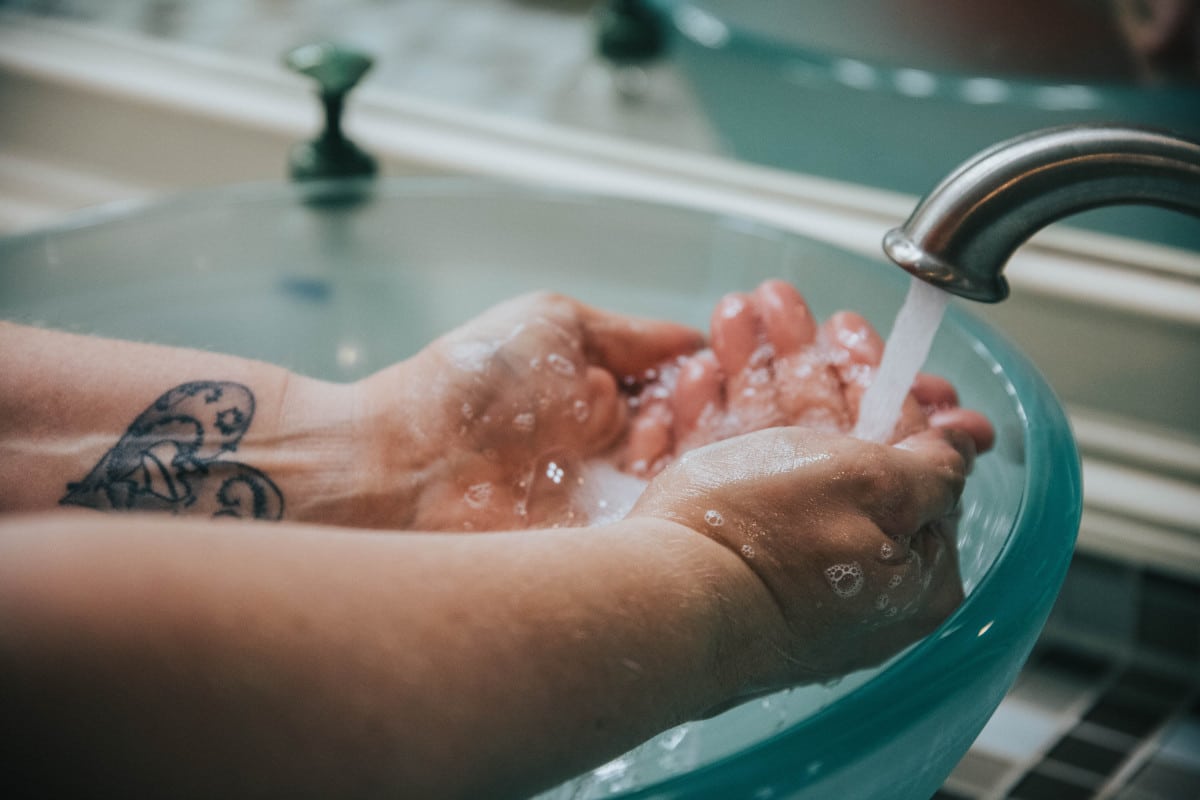
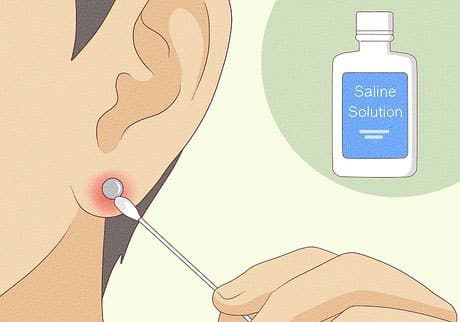
The first step to take is to make sure that we comply with the correct hygiene measures indicated by the professional who has pierced us. Neutral soap, as we already told you when we talked about how to care for your piercingis the best thing to do. Be sure to properly sanitise your hands before handling the earring and the infected area. If the usual treatment does not suffice .......
Second measure: Antibiotic Ointment
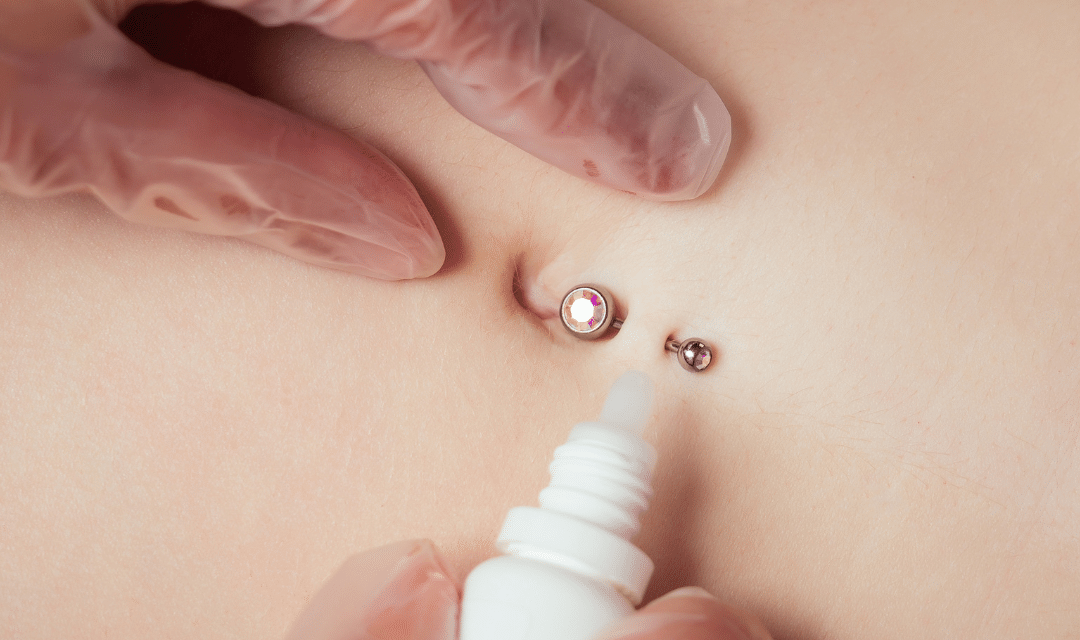
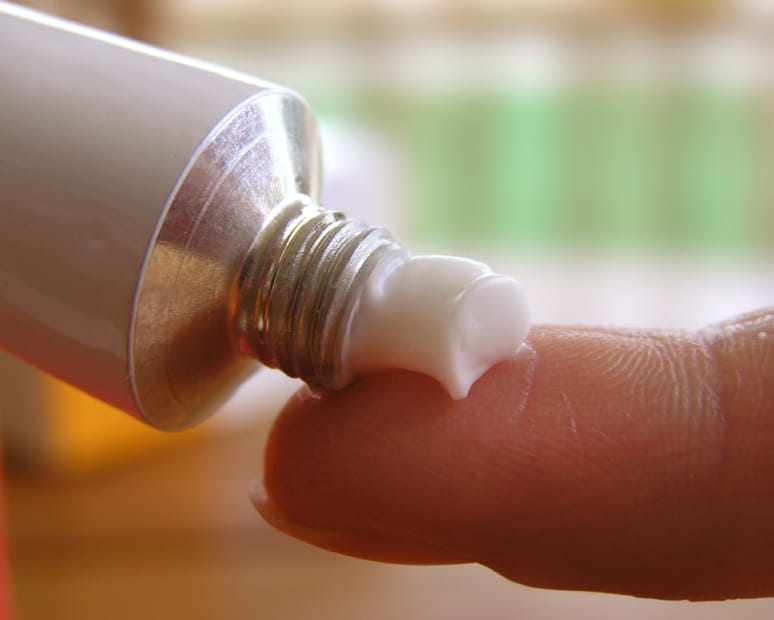
If these indications are not enough and the area is still affected, it is time to bring out the big guns. There are several broad-spectrum antibiotic ointments that can help such as Liade, Bactroban, Terracotil..... At this point, it would be best to ask your pharmacist which one is best for you depending on the part of the body to be treated.
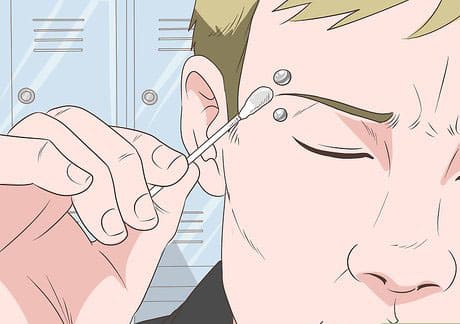
Put a grain of rice cream with the help of a cotton swab in the holes as well as in the jewel twice a day. Be consistent, it is not enough to do it every other day. Repeat it for a week and you will notice the improvement.
Third measure: Non-pull discs
If all this is not enough or the improvement is slight, there is a third measure we can take.
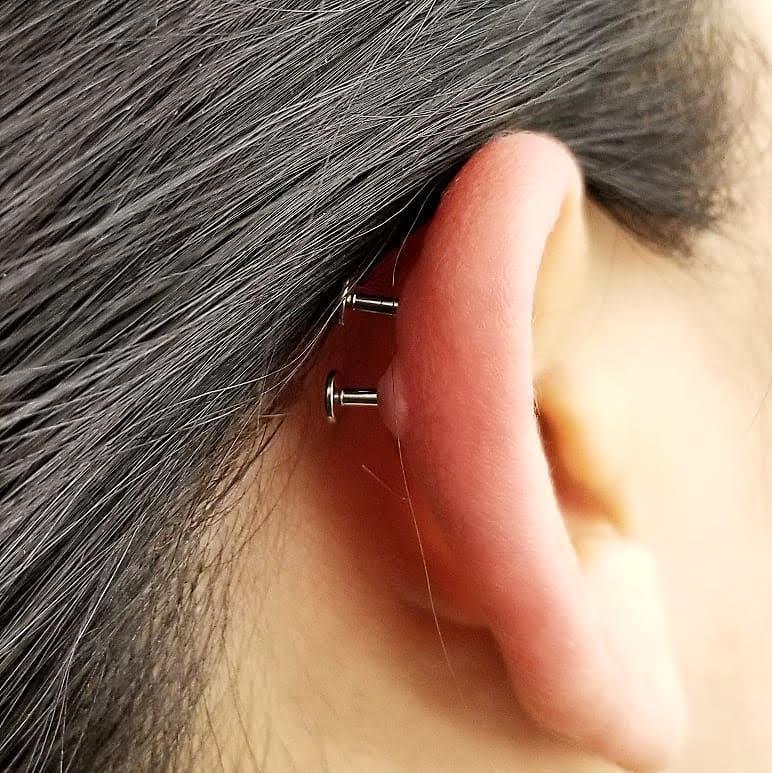
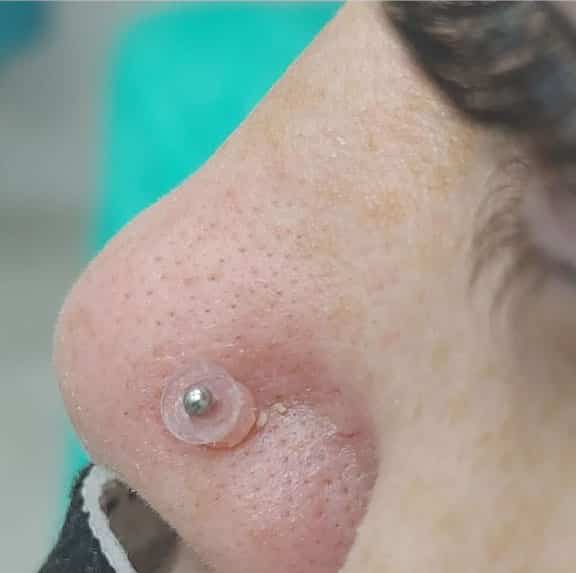
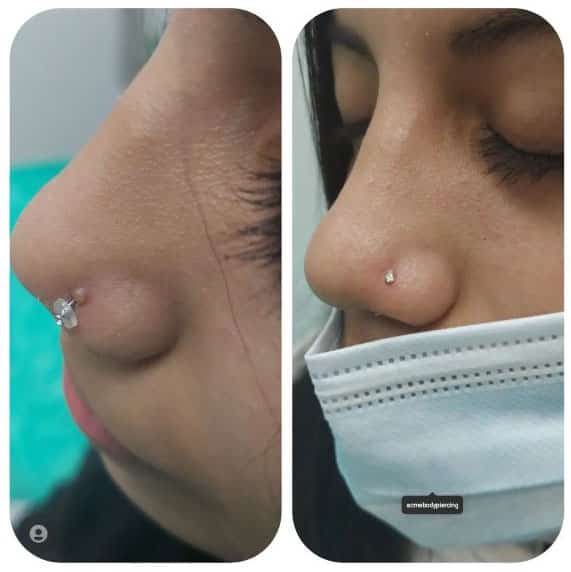
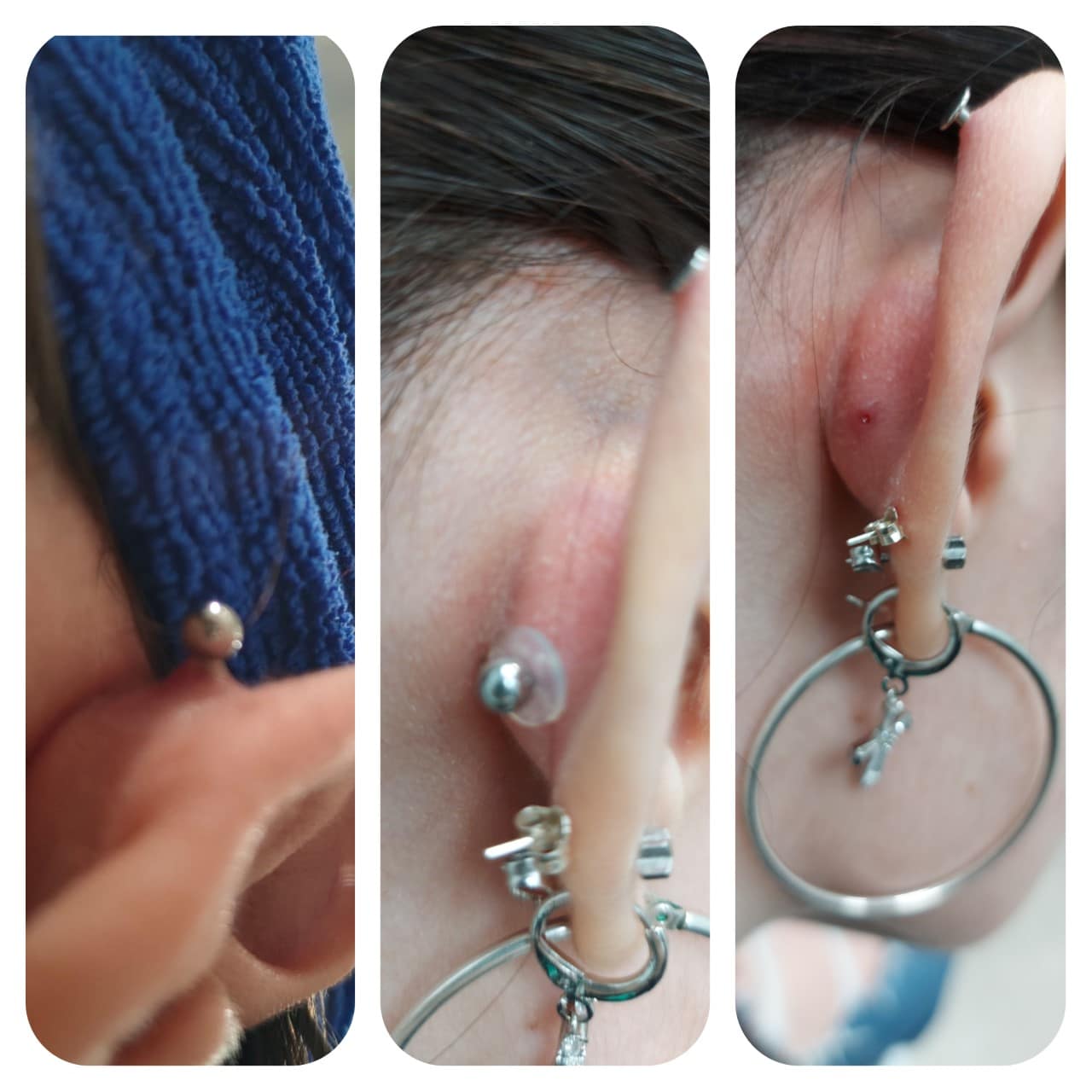
There are silicone discs on the market called "no-pull piercing" that are placed between the beads of our jewellery and the skin to prevent chafing. Many of the redness and inflammation that we suffer from in our piercings are caused by irritation from rubbing between the painful skin and the jewellery itself. With these silicone discs, which are smooth and relatively soft, we ensure that chafing is kept to a minimum.
They put pressure on the tissue for drainage and prevent hypertrophic scarring of the perforated tissue.
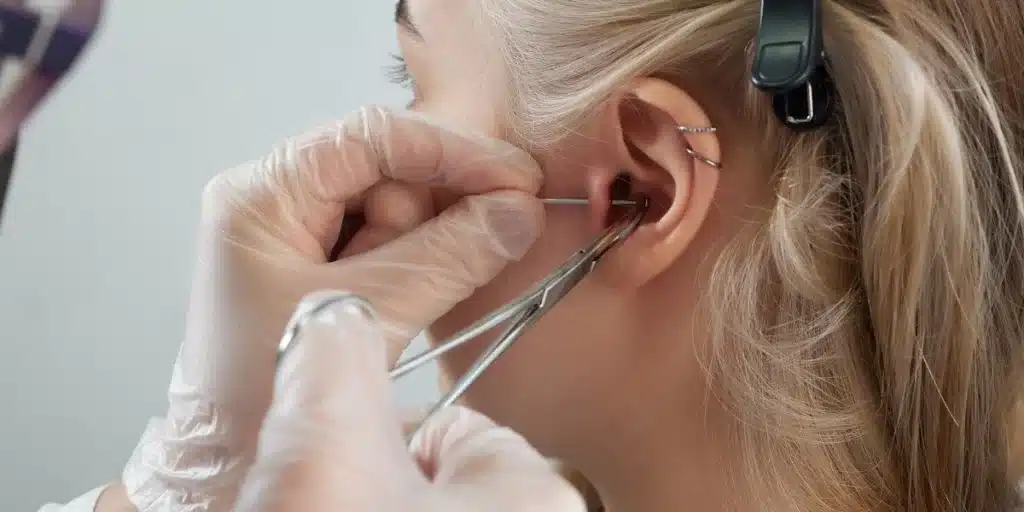
To fit these different sized discs, it is best to contact your Piercer.
If you have any questions about silicone discs or problems with your piercing, please contact our partner:



2 thoughts on “Piercing Infectado? que hacer…”
Discs are the solution for me.
helix never healed