
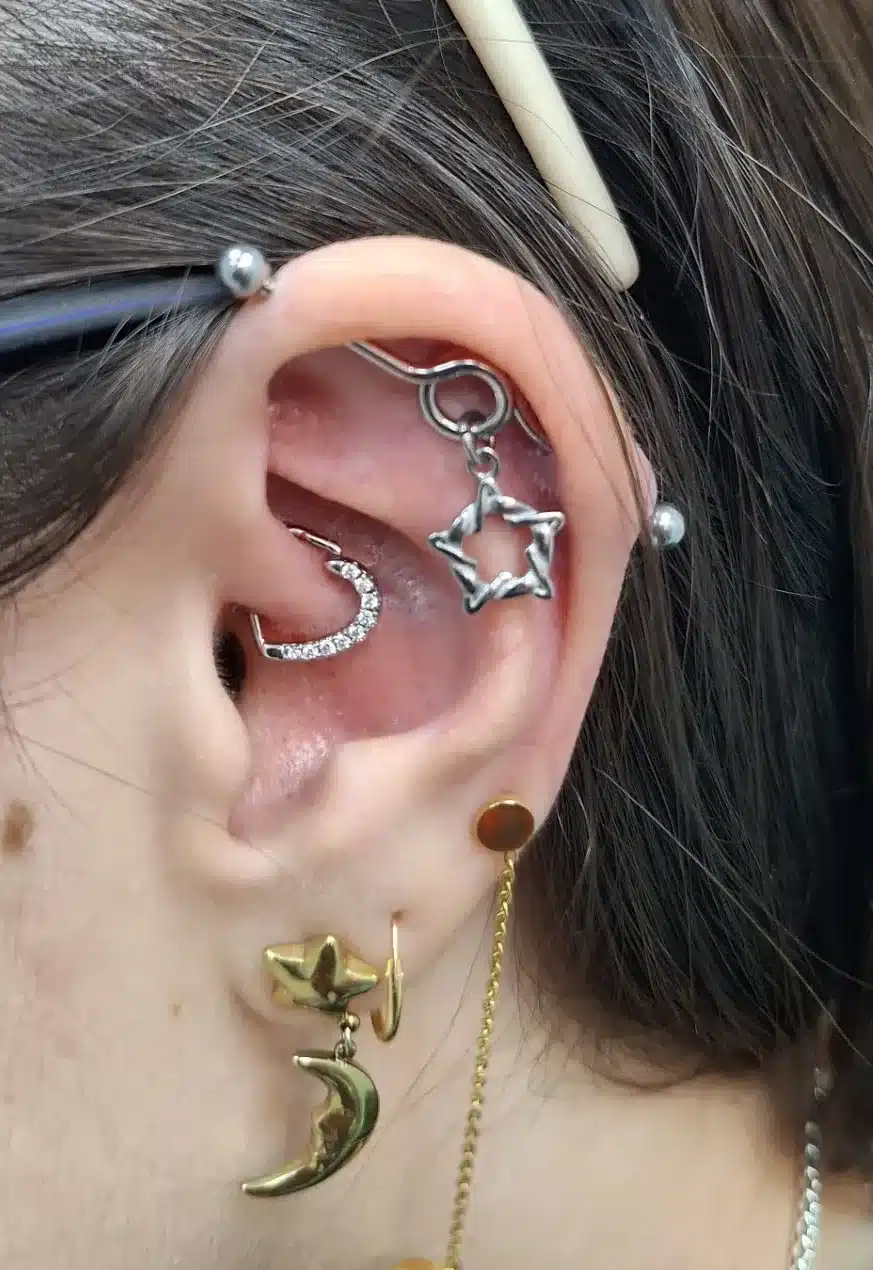
Tips for changing your first piercing.
When to consider changing your jewellery is a frequently asked question, and here we aim to provide you with detailed guidance. After a piercing, the right time to change your jewellery will depend on the type of piercing you have had and the time needed for complete healing. Timing is essential to avoid infection or reopening of wounds. We will therefore provide you with information on when to remove or replace your jewellery.
"It is essential not to remove the jewellery during the healing process."
It is crucial to wait until the piercing has healed properly. Otherwise, there is a risk that the hole will close up, and when you try to insert a new piece of jewellery, you may have to force it, increasing the risk of injury and infection.
How long should you wait?
The waiting time varies depending on the individual and the specific healing time. After this time, removal of the jewellery can be considered, preferably for short periods.
When you decide to withdraw it, how should you proceed?
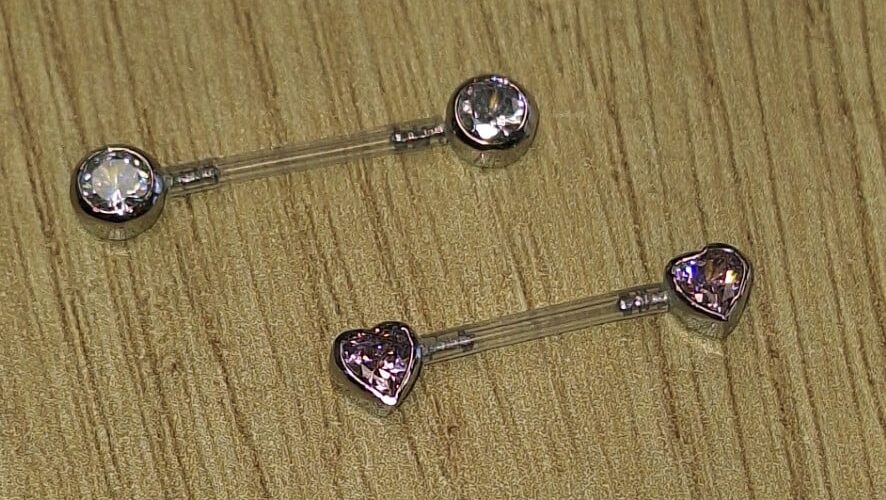
After the healing time has elapsed, you can remove the jewellery and replace it with another one. First of all, it is essential to wash your hands, an essential step to prevent infection. Then, when selecting new jewellery, it is advisable to choose jewellery that is no larger than the previous one to avoid possible injury. We also advise you to explore our line of anti-allergic earrings, specially designed to prevent allergic reactions in a sensitive area after piercing.
Additional tip for changing parts:
Before proceeding with the exchange, it is crucial not to do so if the piercing has not yet healed completely. But how do you know if it has healed completely?
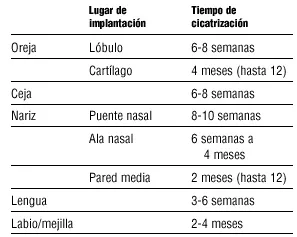
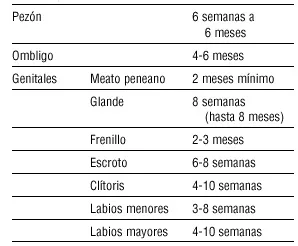
It is important to note that there is no defined healing time, as it varies according to the individual, the location of the piercing and the care provided. To consider the change, it is recommended to wait at least 2 to 4 months, adjusting this period according to the location of the piercing.
To check if the piercing is ready, you should not experience any discomfort or pain, redness or oozing.
Once we are sure that the piercing is in good condition, how do we proceed to change the piercing?
- Wash your hands and also the new piece with neutral soap and warm water, preferably using saline solution if possible.
- Make sure you are in a well-lit and comfortable place, ideally in front of a mirror.
- Prepare your piercing on a paper napkin, opening any parts (the ball or the ring) to facilitate the insertion of the new piercing without delay.
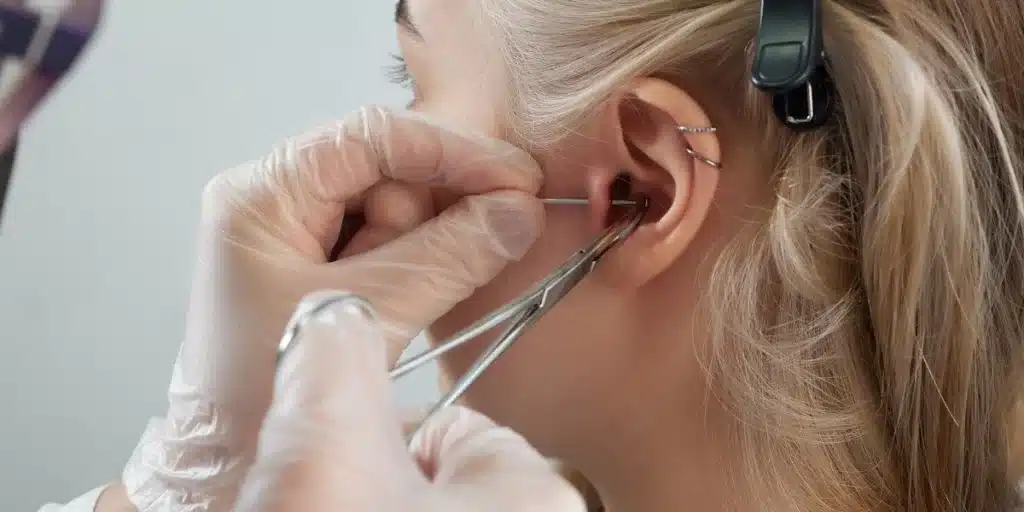
- Remove your initial piercing carefully. If the piece is too tight, you can use disposable gloves or pieces of kitchen towel on both sides to prevent slipping.
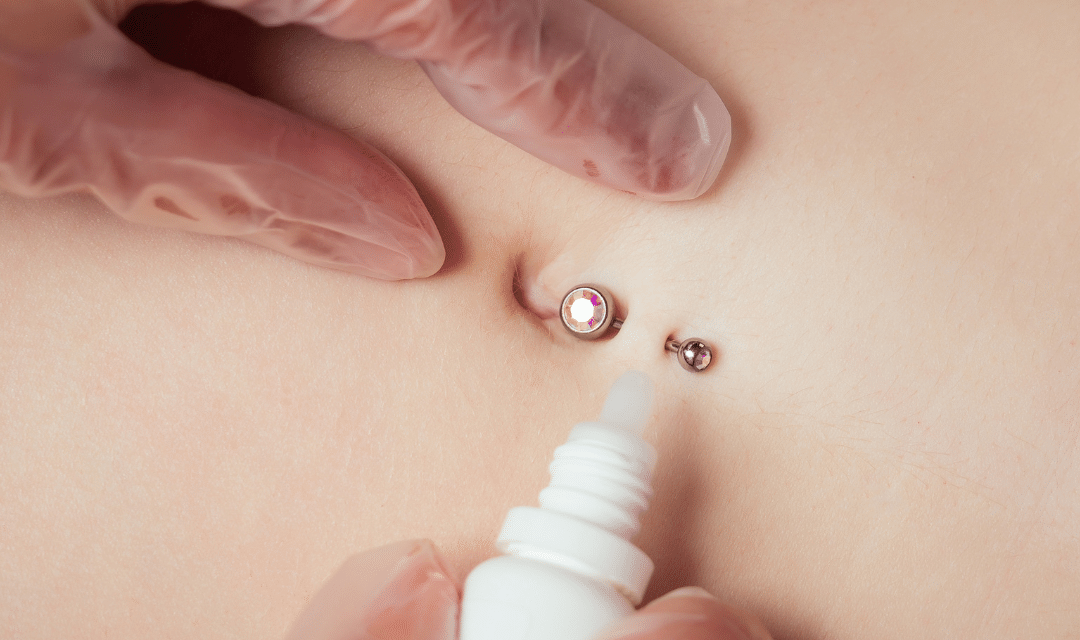
- Once the part has been removed, clean the puncture with saline solution or neutral soap. Rinse and allow to dry.
- Now for the exciting part: carefully insert the new piece! If you find it difficult to do so and you are sure it is the right size, a small amount of coconut oil or warm water can help.
- IMPORTANT: We do not recommend leaving the piercing out for more than half an hour, as there is a risk of the piercing closing.
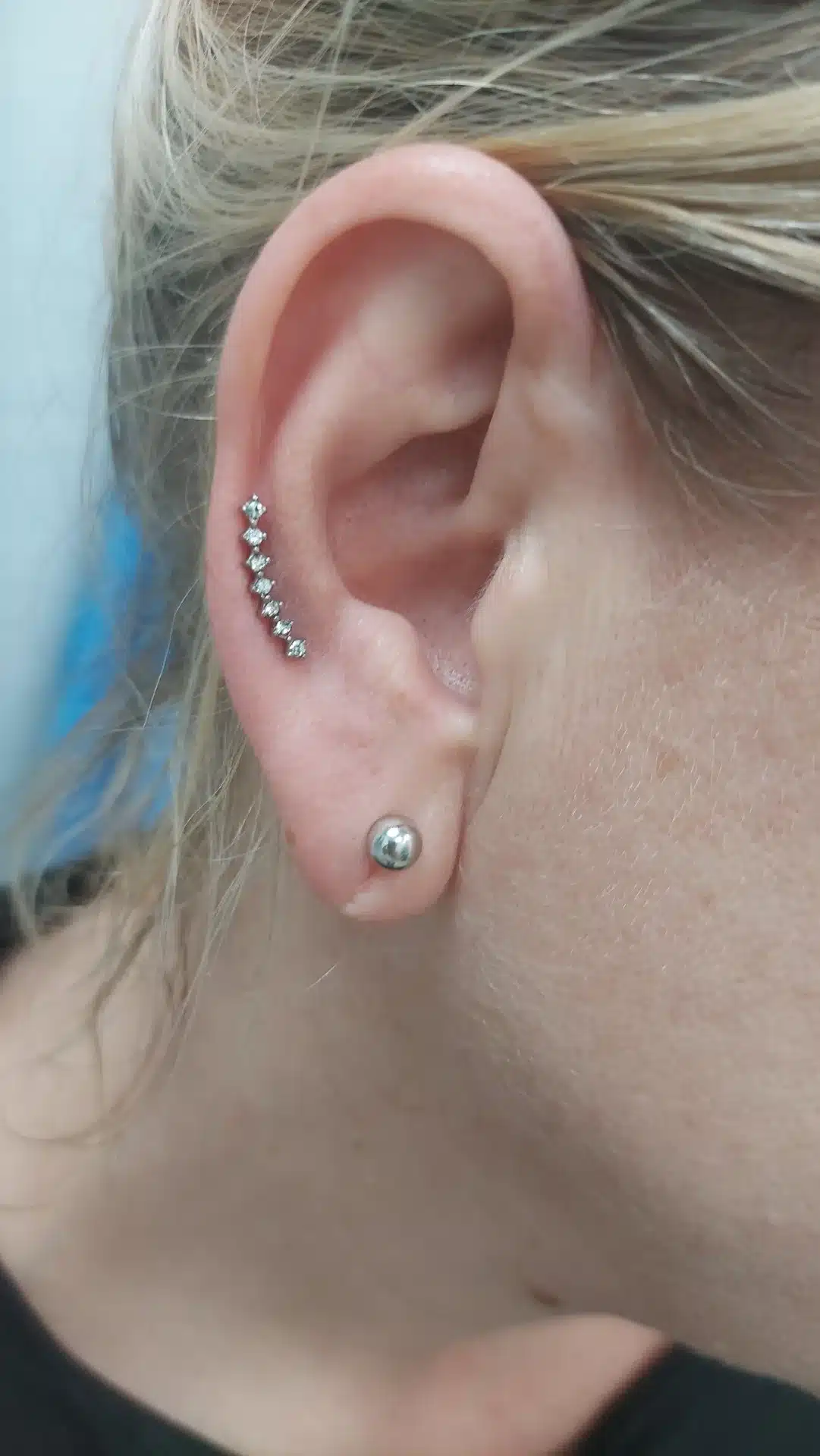
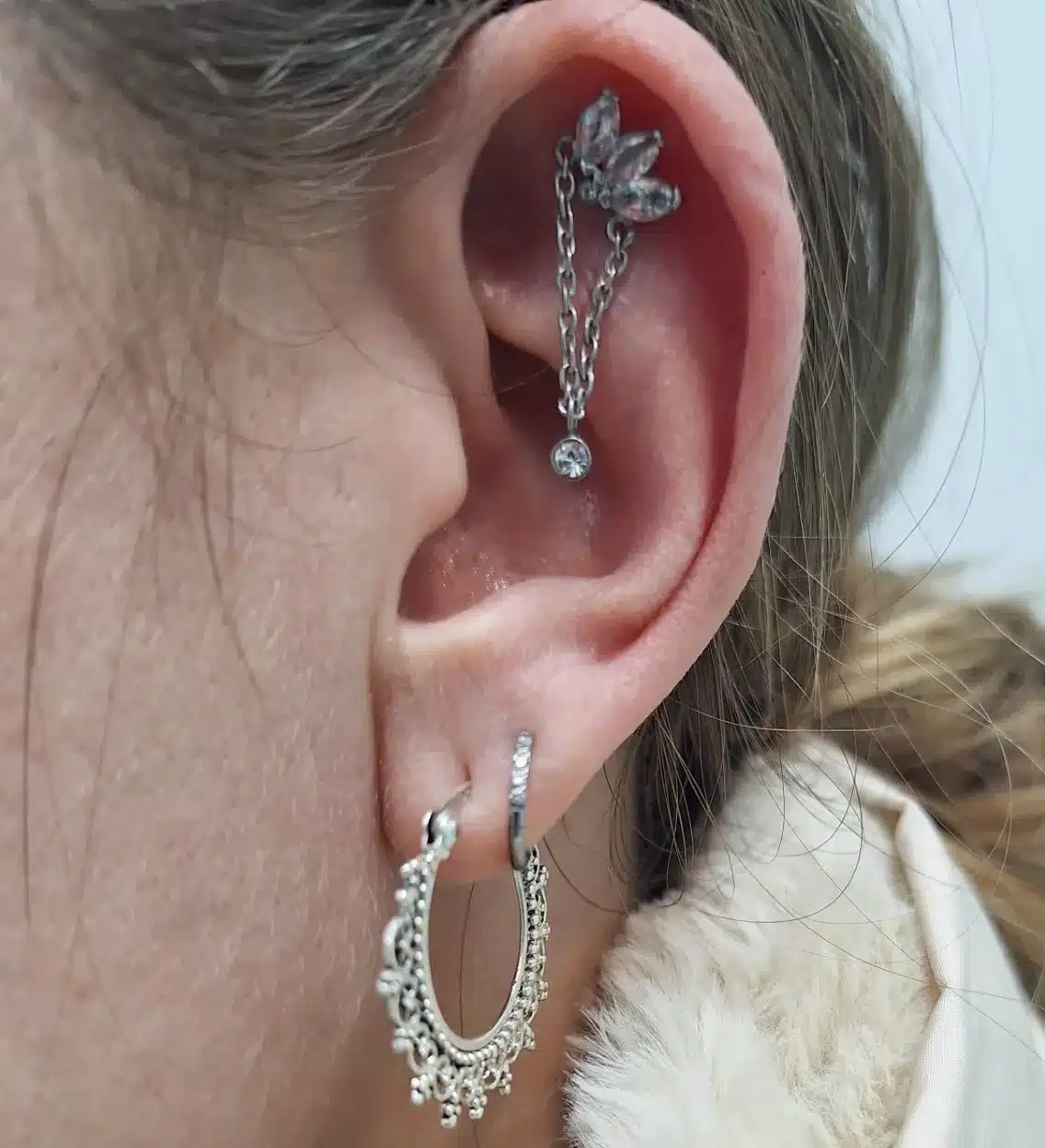
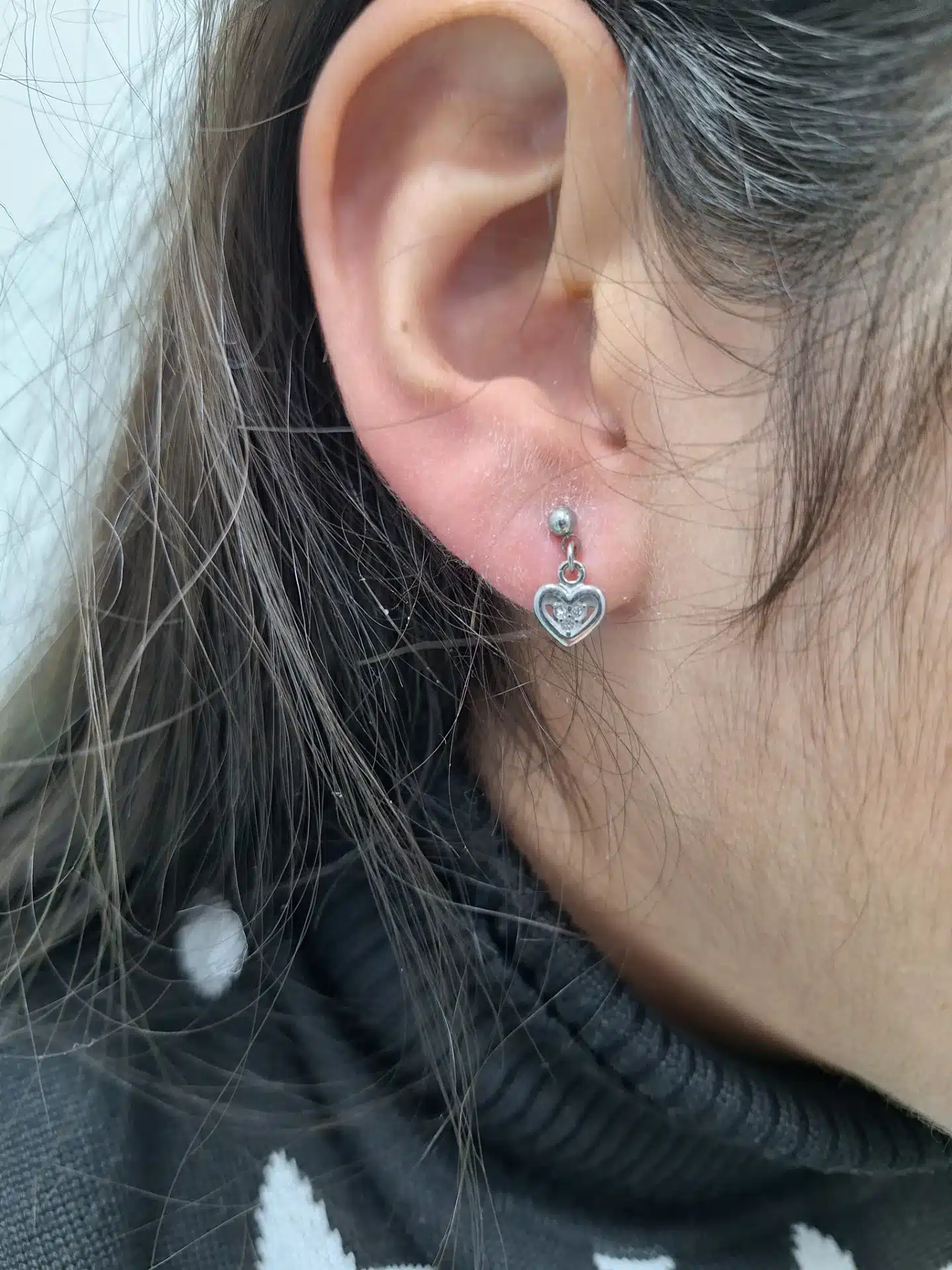
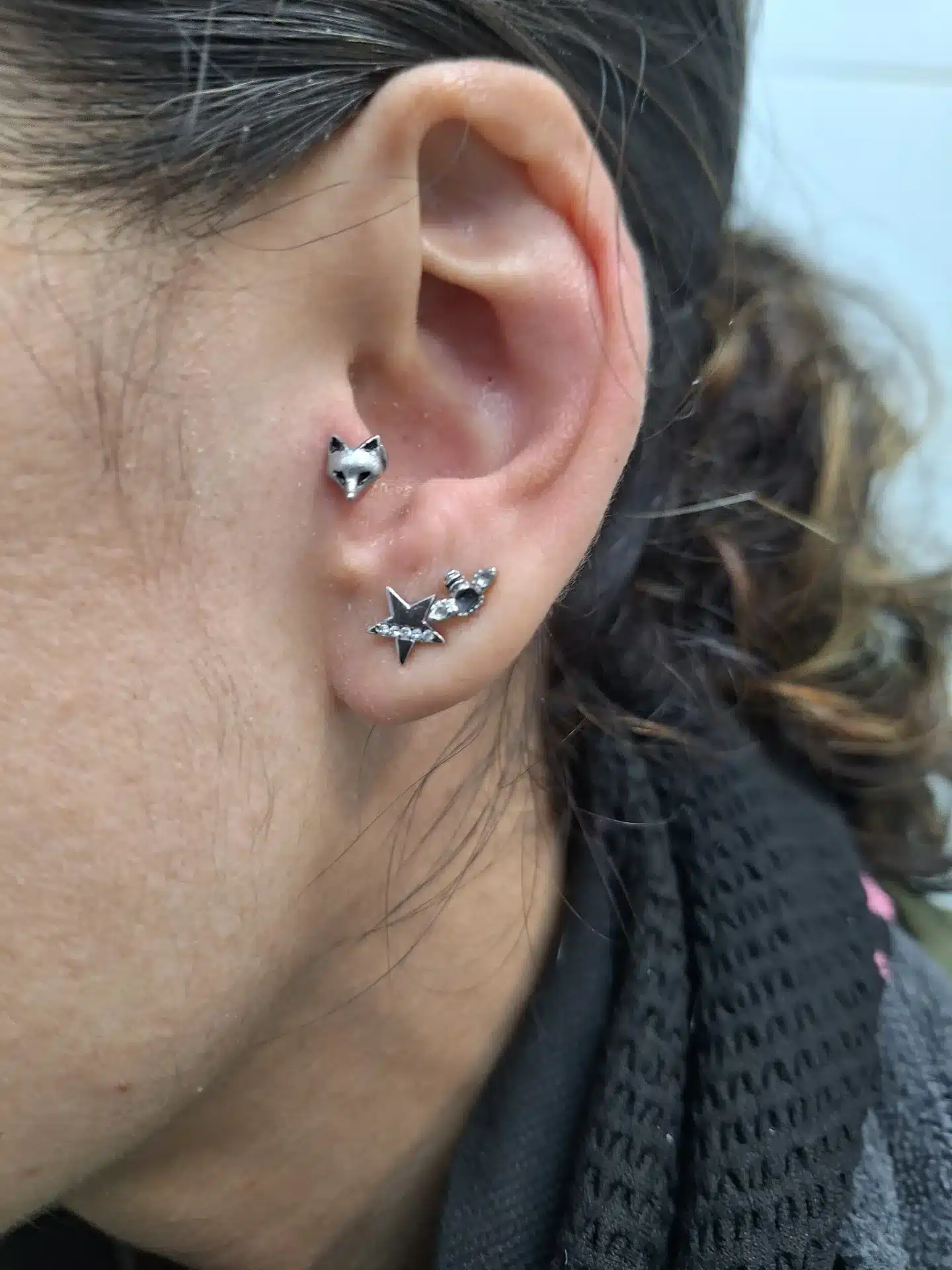
We would like to thank our head Piercer for the photos and advice for this post.
If you would like to contact him with any queries you may have @acmebodypiercing




1 thought on “Cuando Cambiar tu Piercing”
thank you.