

Everything you need to know before you get a surface piercing
The world of body piercing is wide and diverse, and among the more unconventional and eye-catching options is the piercing surface. This type of piercing is ideal for those who are looking for a different look, with jewellery that seems to "rest" on the skin. But unlike the most common piercings, surface piercings have their own particularities and special care. If you're thinking of getting one, here's everything you need to know.
What is a surface piercing?
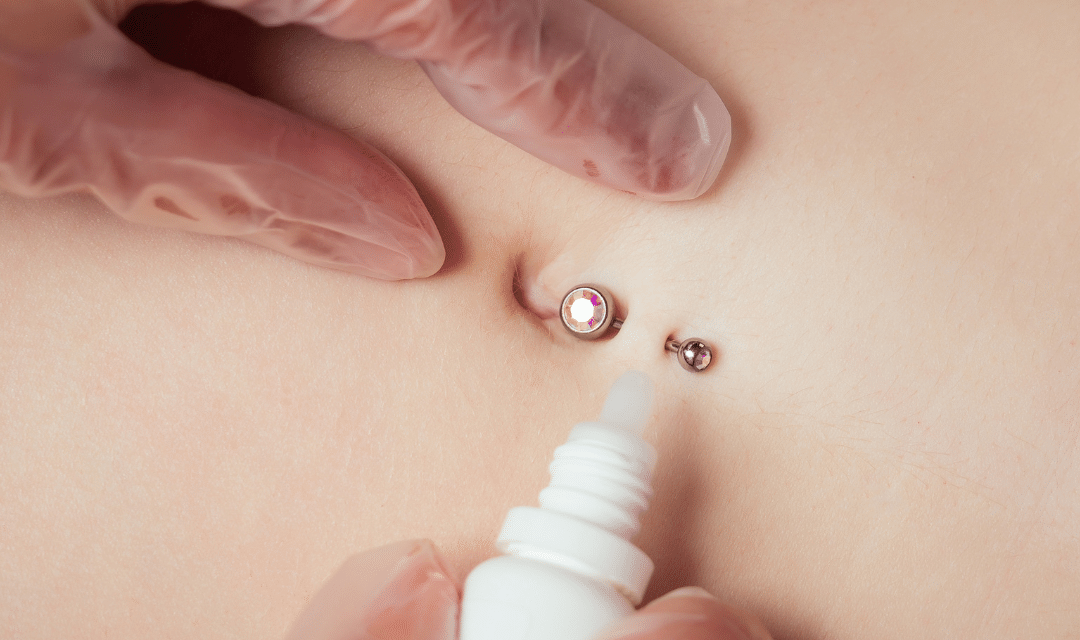
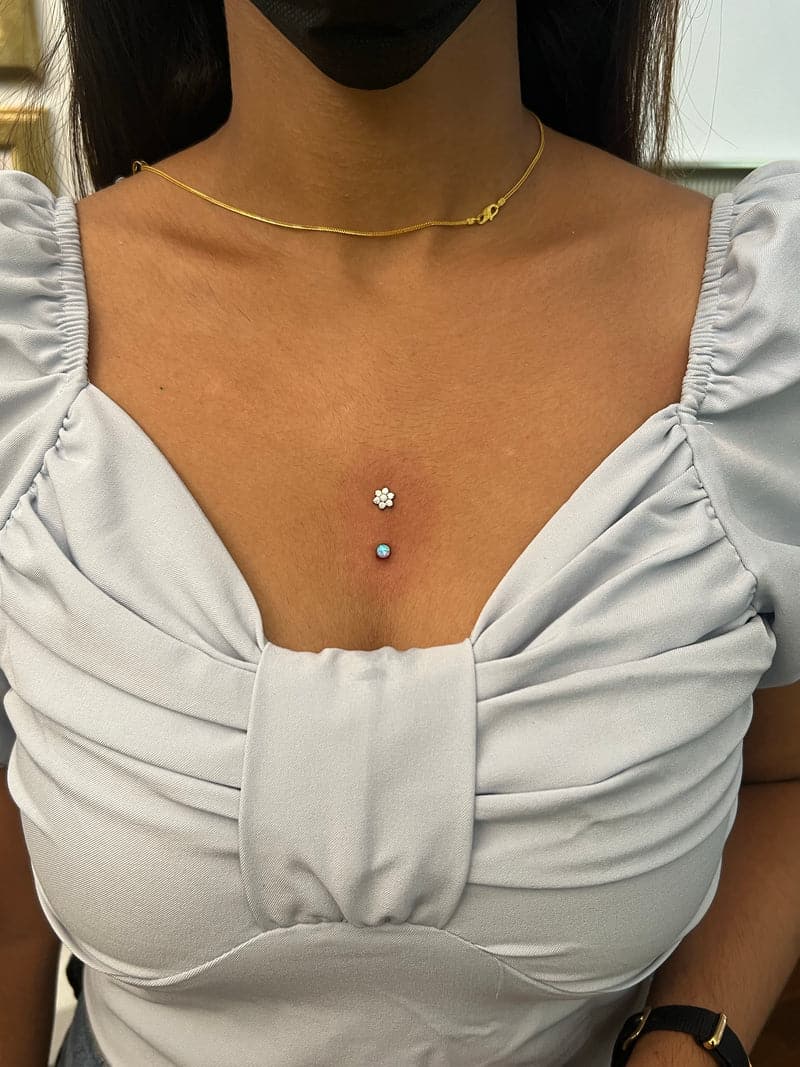
A piercing surface is a piercing that is placed on a flat area of the body, horizontally, rather than through a "tubular" part such as an ear or nose. They are placed in areas such as the collarbone, the hip, the chest, the nape of the neck or even the face (such as the anti-brow). The jewellery enters and exits through the skin parallel to its surface, with both ends visible.
This type of perforation should not be confused with the microdermal or dermal anchor, which is a single-exit implant. The surface has a bar under the skin with two visible outlets, like a conventional piercing but in an unusual orientation.

How is it done?
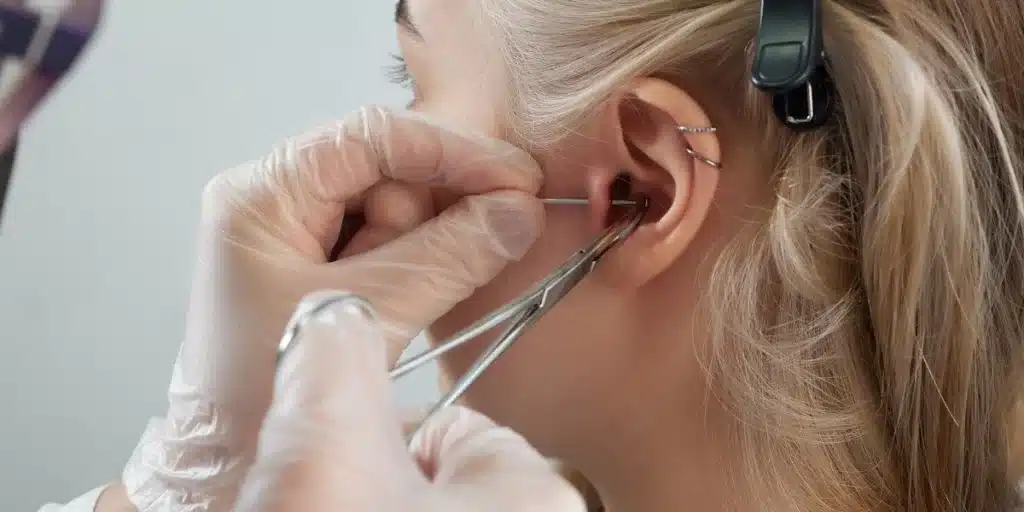
The procedure must be carried out by a professional piercer experienced in surface piercing. A needle or scalpel is used (never a gun), and the technique requires precision to avoid an incorrect angle that can cause rejection. Specific jewellery is used: usually staple-shaped titanium rods, designed to match the natural tension of the skin.
Which areas of the body are suitable?
The most common areas for surface piercing are:
- Nape piercing
- Clavicles
- Hip
- Chest / Sternum
- Anti-browser
- Lumbar or back dimple
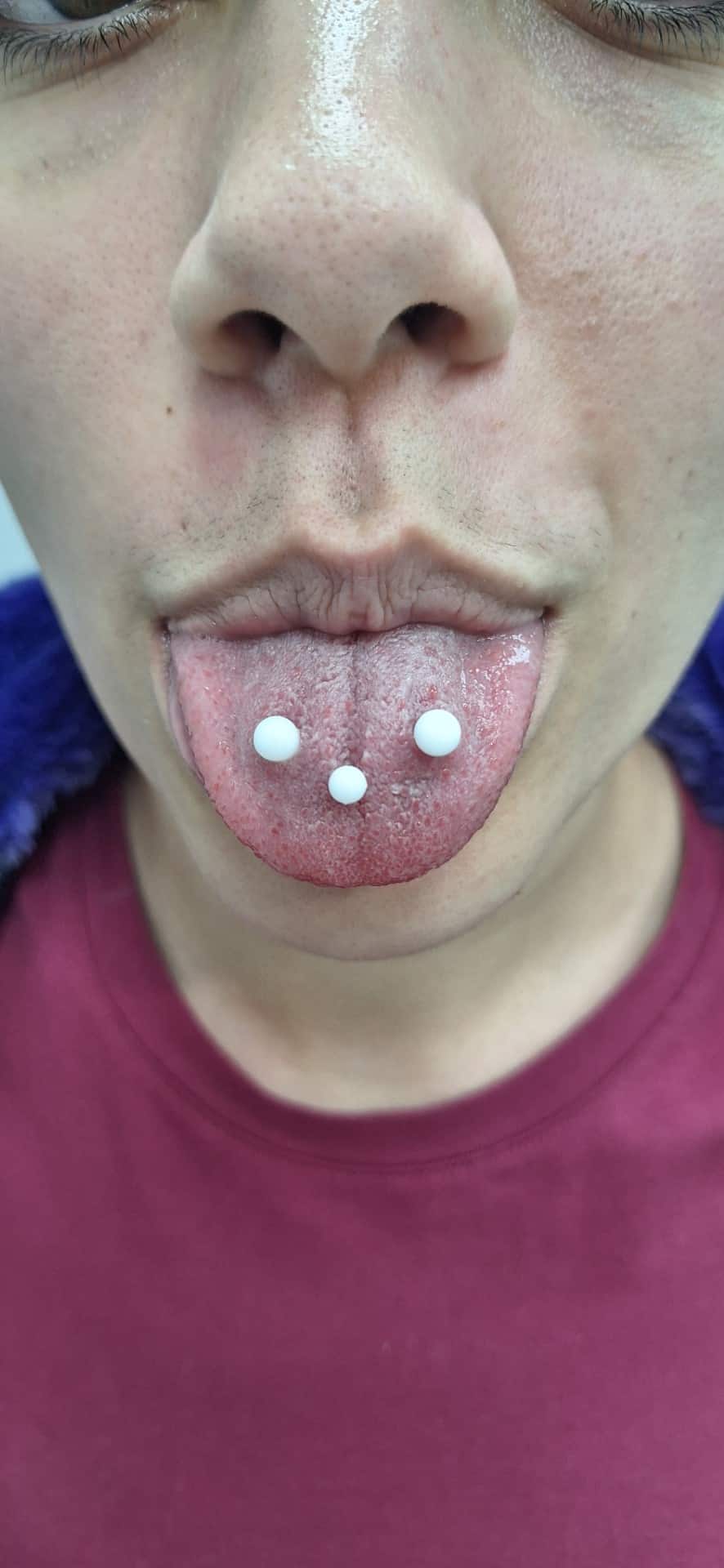
- Language
- Cheekbone
Not all areas of the body are suitable for everyone. The practitioner will assess your anatomy to determine if you have the right skin (not too tight or too mobile) and if the area will suffer constant friction or tension (tight clothing, backpacks, belts...).
Pain and healing time
Pain is very subjective, but surfaces can be more uncomfortable than other piercings, due to their depth and the manipulation required. Even so, it is usually a quick procedure.
With regard to the healingis longer than in other boreholes: it can last from 3 and 9 monthsdepending on the area, the care and your body. During this time, it is essential to avoid bumps, chafing and premature jewellery changes.
Necessary care
Surface piercings require constant attention. Here are the basics:
- Clean the area twice a day with sterile saline solution or a specific product recommended by your piercer.
- Avoid moving the jewel or touch it with dirty hands.
- Do not sleep on the perforated areaat least for the first few weeks.
- Avoid tight-fitting clothesbackpacks, rucksacks or anything that rubs against the area.
- Do not change the jewellery until it is fully healed..
If you notice persistent redness, discharge, severe pain, or swelling, see your piercer or a doctor.
Risks and rejection rate
One of the biggest disadvantages of surface piercings is the high probability of rejection. The body may identify the jewellery as a foreign body and slowly expel it outwards. This can cause scarring, infection or loss of the piercing. This can also be caused by a "snagging" of the jewellery.
To reduce this risk:
- Choose a piercer who specialises in this type of piercing.
- Wear jewellery from high qualitypreferably implant grade titanium.
- Follow the care instructions to the letter and keep the area protected from stress.
Is it worth it?
If you are looking for an original, discreet but striking piercing, and you are willing to take care of it with dedication, the surface piercing can be an excellent choice. Its aesthetics are unique and, well made, it can last for years without problems.
However, it is important to have realistic expectations. Not every body can tolerate this type of piercing, and the rejection rate is higher than with other piercings. The key is good professional execution and impeccable care.




1 thought on “Surface Piercing”
I was very happy to see myself on the blog.