How to remove a thread piercing: 4 practical tips for safe removal
Screw-in piercings are a popular choice due to their durability and safety. Their mechanism ensures that the piercing is securely fastened, reducing the risk of accidental detachment. However, when it comes to removing one, it can be tricky if you don't follow the proper process. Here are four helpful tips for safely removing a thread piercing.
1. Maintain good hygiene before starting
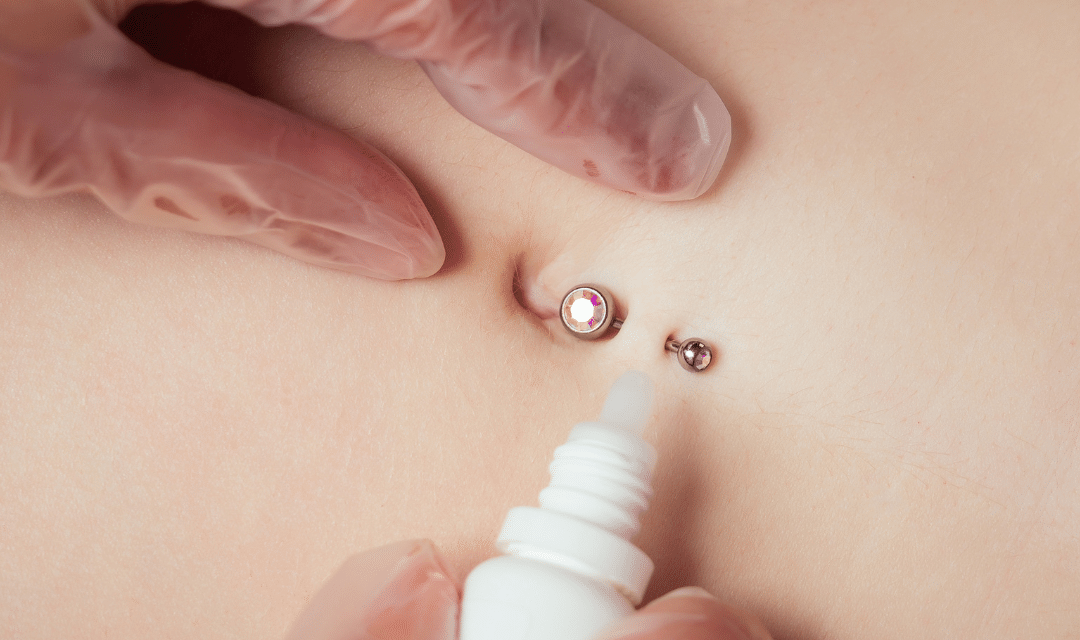
The first essential step is to ensure cleanliness. Wash your hands thoroughly with warm water and antibacterial soap to avoid introducing bacteria into the piercing area. Next, be sure to clean the piercing area with a saline solution or piercing-specific cleaner. This will help prevent infection and make the removal process easier. If the piercing has been in your body for a long time, it is possible for debris to build up, so careful cleaning is key.
2. Identify the type of thread
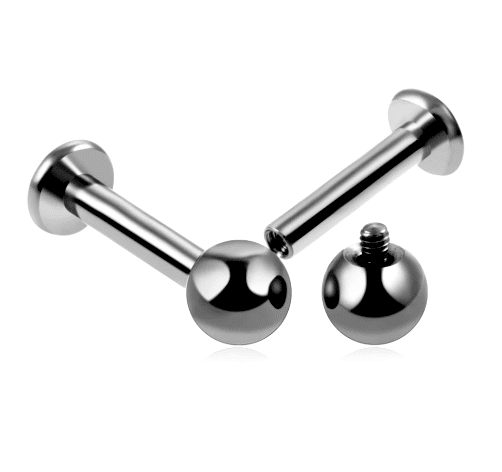
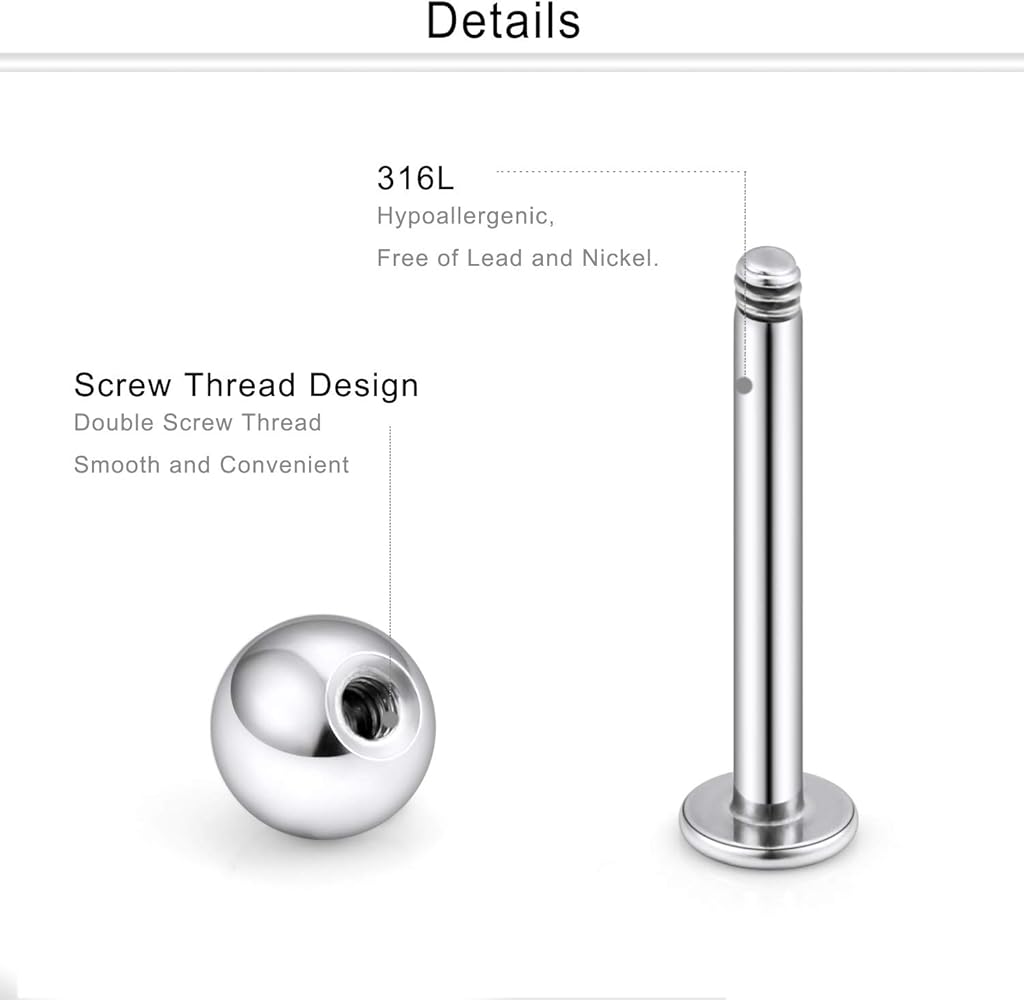
There are two main types of thread piercings: internally threaded and externally threaded. In the case of internal threading, the part that unscrews is the ball or ornament, while in external threading, the barbell is the part that screws into the ornament. It is important to identify what type of thread your piercing has before attempting to remove it, as this will determine which part you need to turn to loosen it properly.
3. Use latex gloves or tweezers for a better grip.
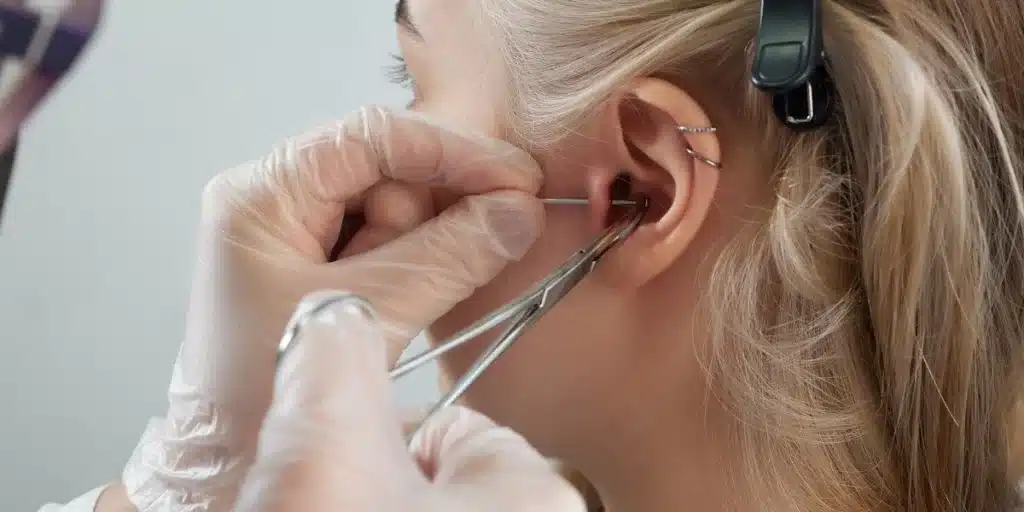
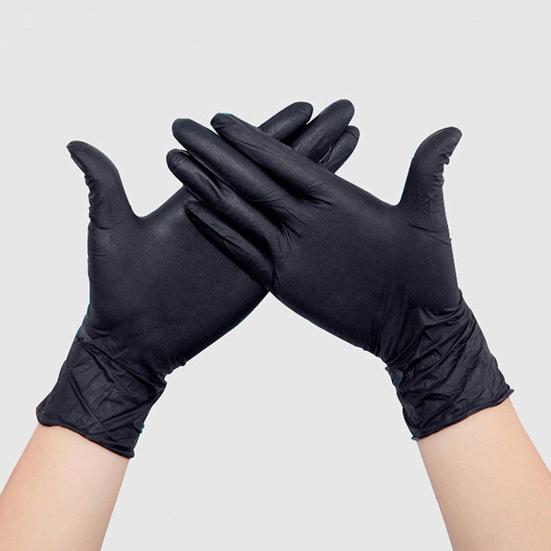
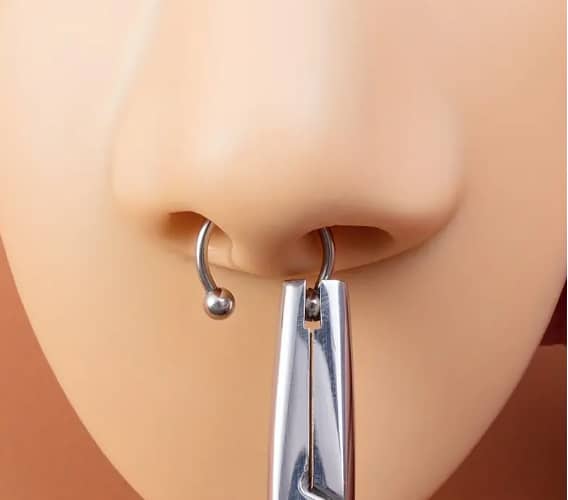
Sometimes piercings can be very tight, and unscrewing them with the fingers can be difficult, especially if the area is wet or slippery. A useful tip is to wear latex gloves, as these offer a better grip. If you still can't unscrew it, you can also use small tweezers, preferably jewellery or surgical tweezers, making sure to disinfect them beforehand to avoid infection.
Both the internal and external threaded balls or parts are loosened counterclockwise, you have to turn them counterclockwise. Hold one part of the piercing firmly and turn the ball.
4. Unscrew gently and in the correct direction.
Most threaded piercings are unscrewed counterclockwise (left turn). Twist gently and patiently, avoiding applying too much force. If the piercing does not move or you feel pain, do not insist so as not to hurt yourself. In some cases, piercings can become hard or stuck due to scarring or debris, so gentle movements are recommended.
If you are unable to remove your piercing or experience pain or discomfort, it is best to see a piercing professional. An expert will be able to remove it safely, avoiding any possible complications.





2 thoughts on “Como Quitar un Piercing de Rosca”
thank you.
I can't