
What to do if you have a piercing and need to undergo a medical test but want to prevent the hole from closing?
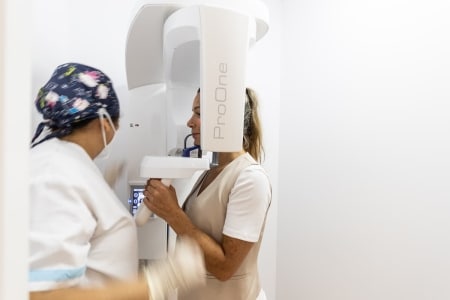
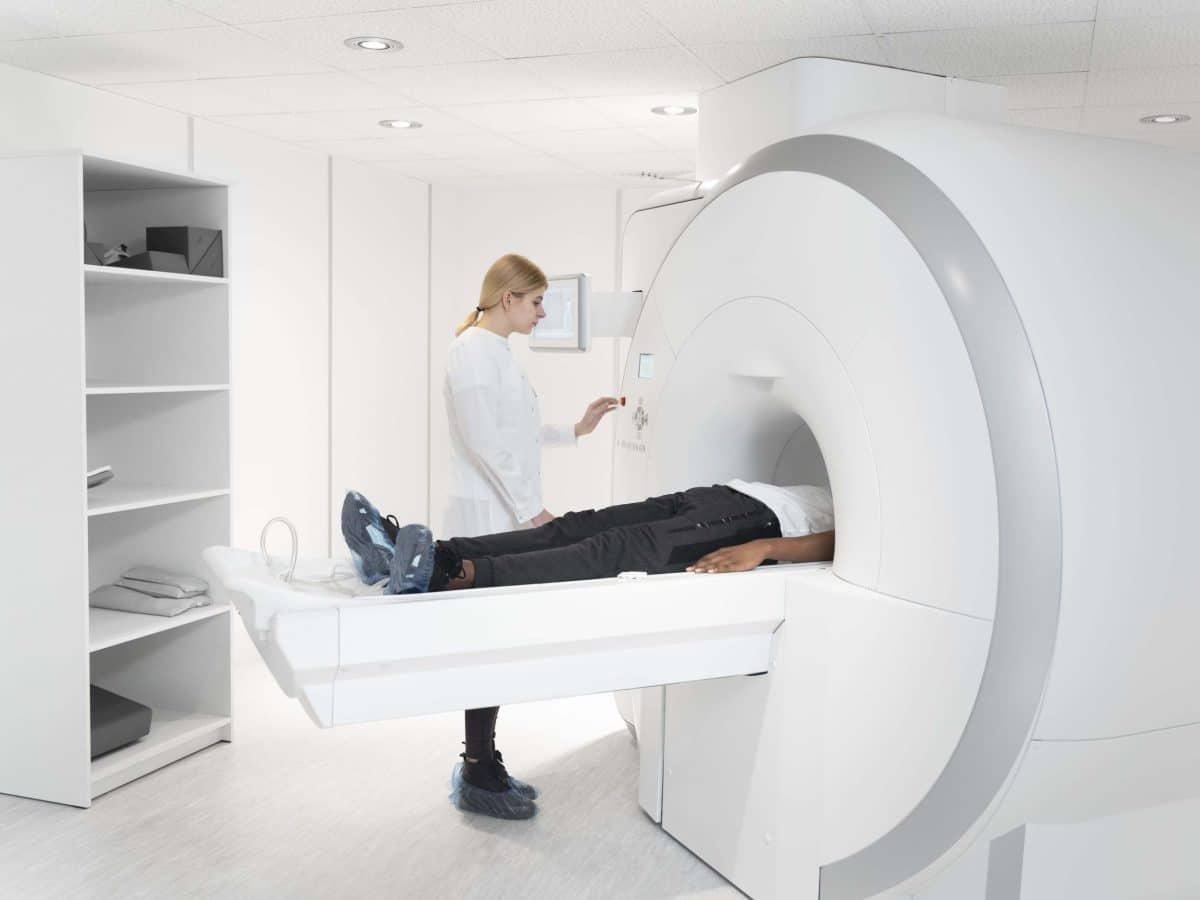
When you have a piercing and need to undergo a medical test, such as an MRI, x-ray or even surgery, it is common to be asked to remove any metal objects. However, this can be a cause for concern if the piercing hole is recent or in an area that heals quickly. This article explores practical solutions to prevent the hole from closing while meeting medical requirements.
Communicate your situation to the medical team
It is essential to inform the medical staff about your piercing before undergoing testing. They are trained to handle this type of situation and can provide you with information about the options available to you. In some cases, the piercing material may not interfere with the test and may not need to be removed.
In procedures such as magnetic resonance imaging, it is essential to avoid any metallic material due to the intensity of the magnetic fields. In these cases, an alternative solution will have to be found.
Piercings made of non-metallic materials
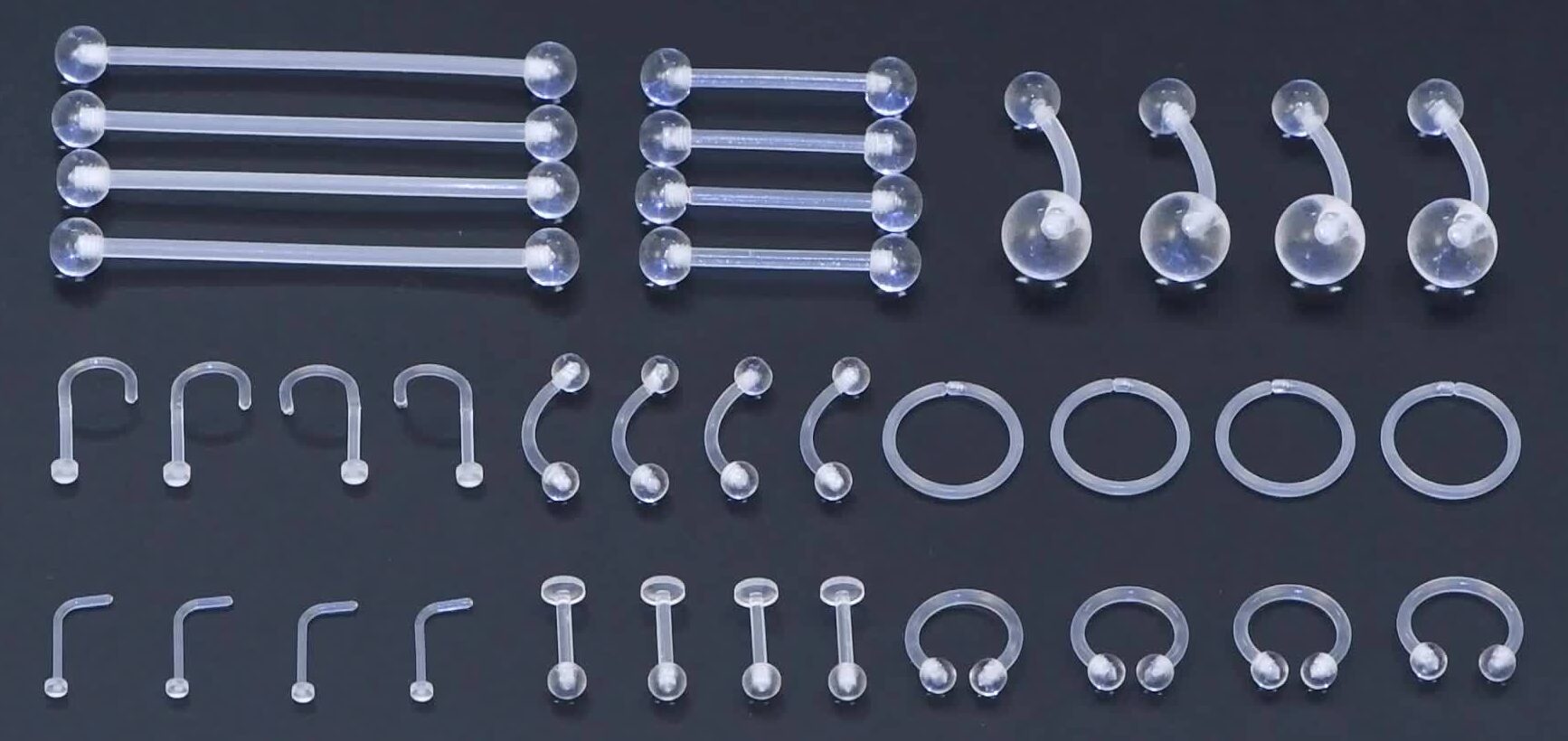
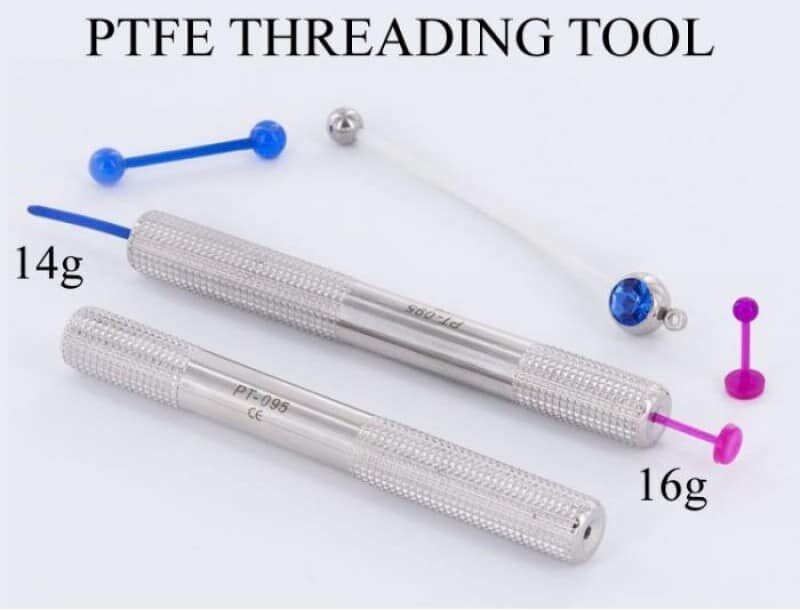
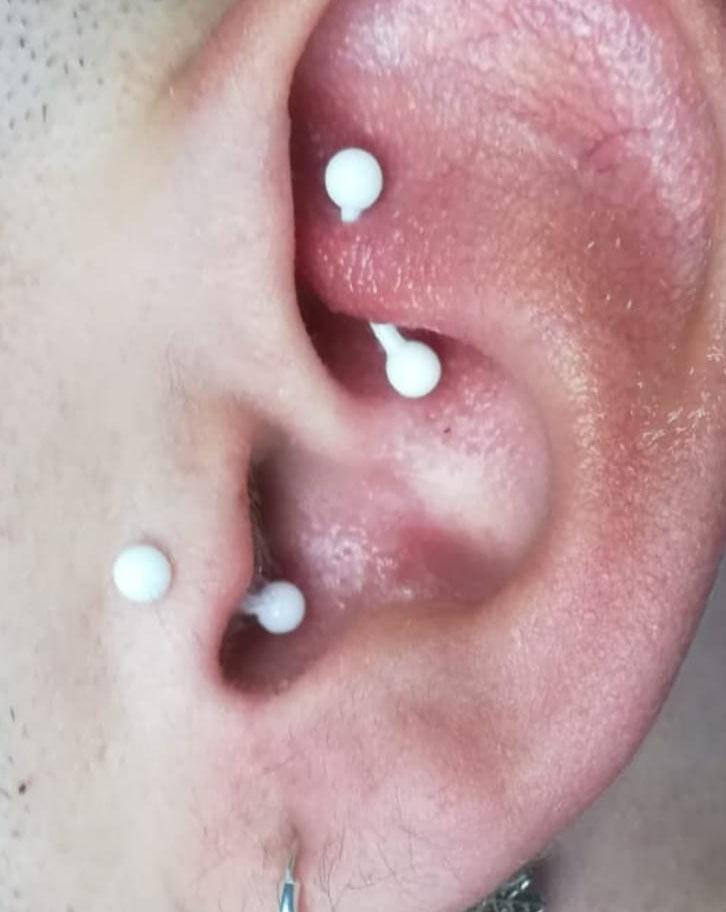
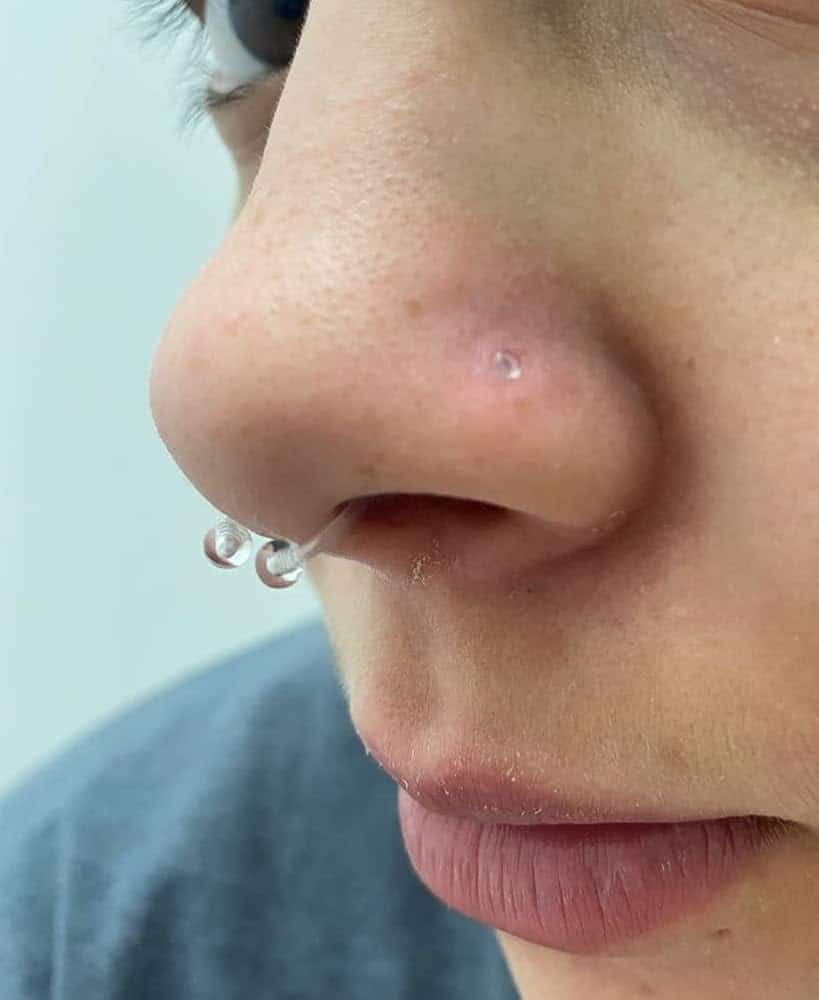
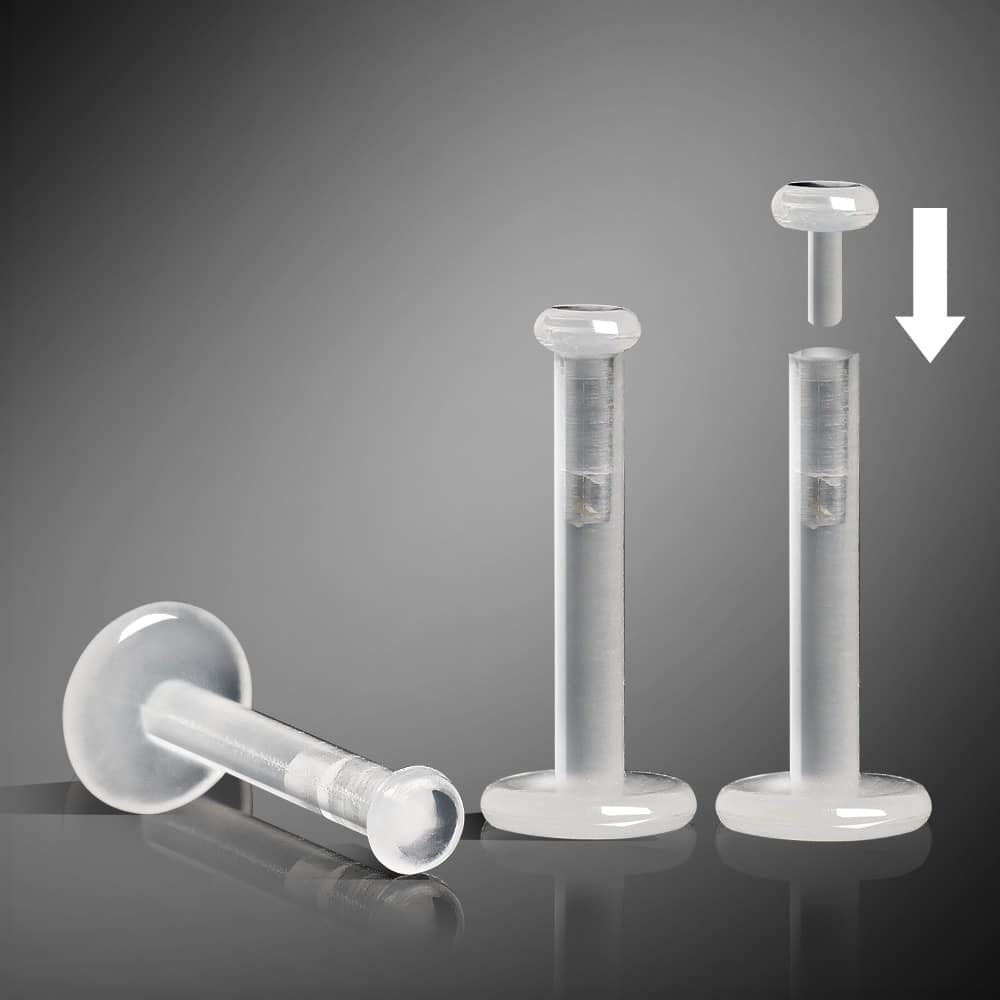
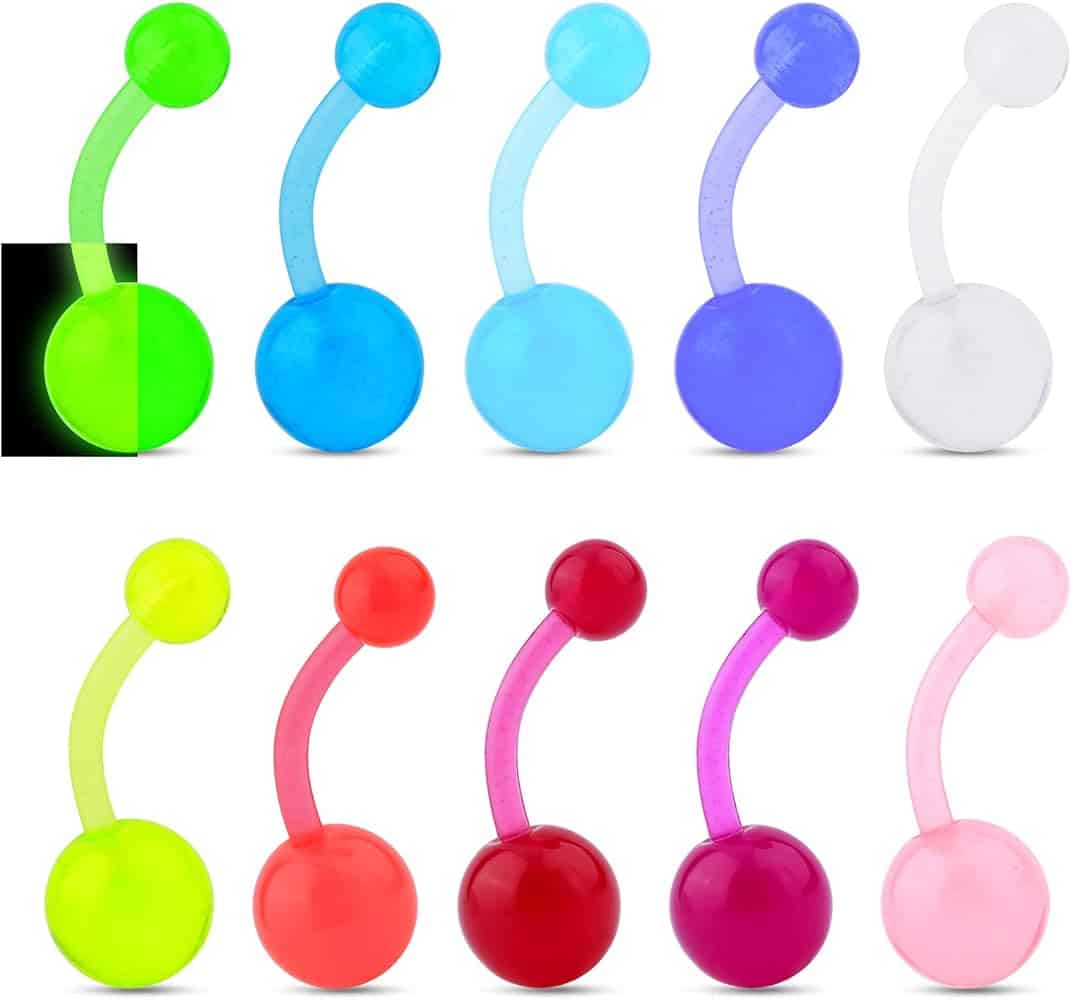
A popular solution is to replace metal jewellery with piercings made of non-metallic materials, such as bioflex, silicone, acrylic or PTFE (polytetrafluoroethylene). These options are specifically designed to be compatible with medical procedures and prevent the hole from closing.
Advantages of non-metallic piercings:
- Medical safety: They do not interfere with diagnostic imaging equipment or other procedures.
- Flexibility: They are soft and comfortable to wear for extended periods of time.
- Hypoallergenic: They reduce the risk of irritation or allergies.
How to use them:
- Before the medical procedure, remove the original jewellery and replace it with a non-metallic piercing.
- Make sure you use the right size for your piercing.
- It is preferable to seek advice from a professional piercing shop to ensure correct placement.
Evaluate the time away from the piercing
How long you can go without jewellery depends on several factors:
- Recent piercings (less than 6 months): These holes are at an increased risk of closing quickly, even within hours.
Mature piercings (more than 6 months): Although they are less likely to close, the length of time they can remain open varies according to the area of the body and the characteristics of the skin.
If you are in doubt about how long you can go without the piercing, consult your piercing professional before the procedure.
Consultation with a professional driller
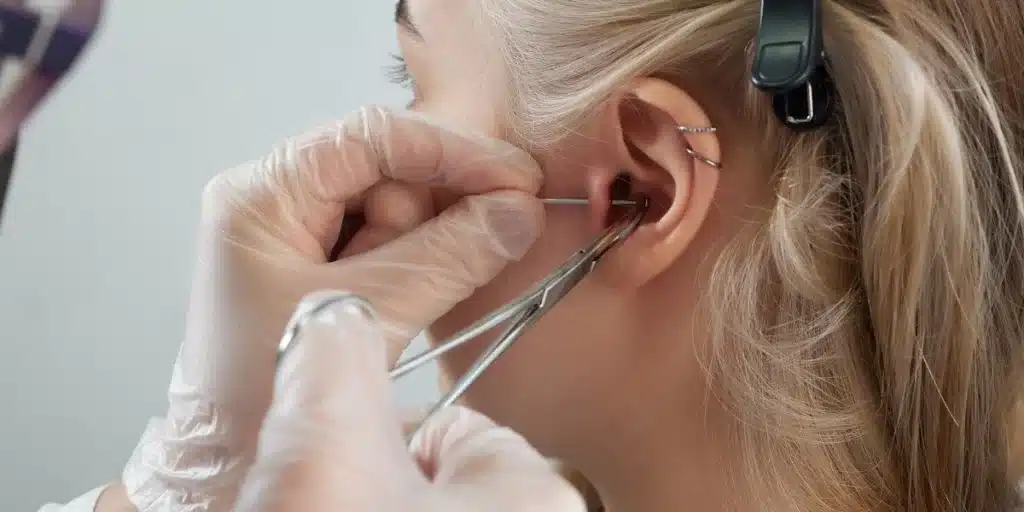
Visiting the professional who performed your piercing can be very helpful in preparing for the transition during the medical test. An experienced piercer can:
- Advise you on the most suitable non-metallic materials for your type of drilling.
- Help you to place the replacement piercing safely.
- Provide you with personalised recommendations to prevent the hole from closing.
Reinstate the piercing as soon as possible
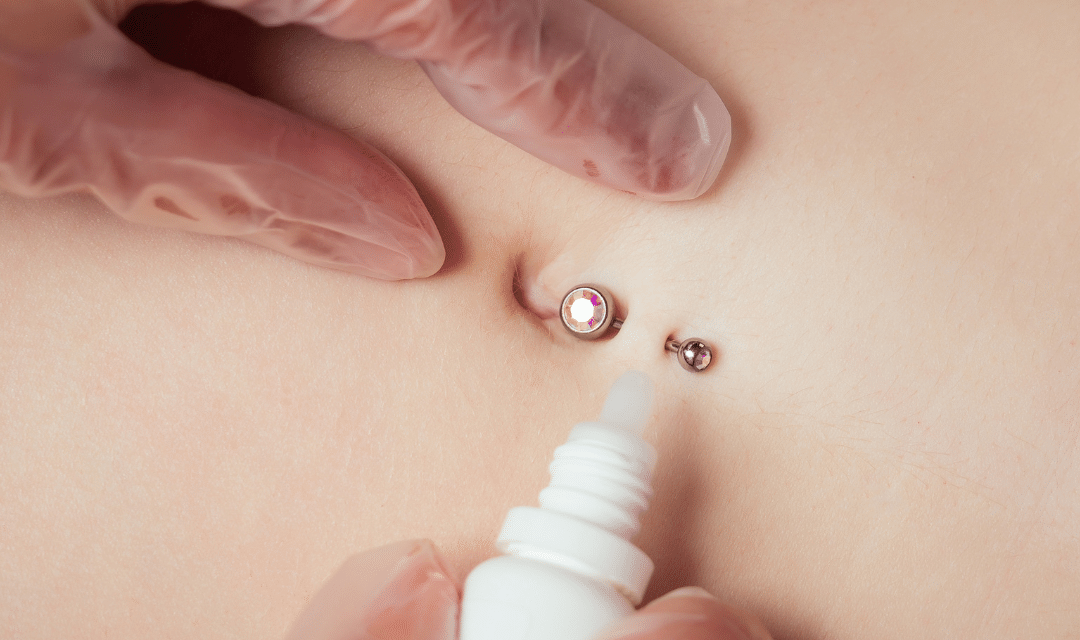
Once the medical test is completed, it is important to reinsert your original piercing or one with similar characteristics as soon as possible. This will help prevent the hole from starting to close.
Tips for re-installation:
- Use a lubricant, such as petroleum jelly or sterile saline solution, to ease insertion.
- If the hole has partially closed, do not force the jewellery; instead, seek help from a professional piercer to avoid injury or infection.
Post-procedure care
Even if the hole appears to be intact, it is essential to follow a cleaning routine when reinstalling the piercing. This is especially important if you wore a replacement piercing or went several hours without jewellery.
- Clean the area with sterile saline solution.
- Avoid touching the piercing with dirty hands.
- Watch for any signs of irritation, such as redness, swelling or unusual discharge, and consult your piercer if necessary.
Conclusion
While it may be uncomfortable to have to remove a piercing for medical reasons, there are multiple solutions to keep the hole open and avoid complications. Piercings made of non-metallic materials are a safe and practical option that are suitable for most medical procedures. In addition, having the advice of a professional piercer and following a good aftercare routine will ensure that your piercing remains in optimal condition.
Always prioritise your health and consult with the right specialists to make informed and safe decisions.




1 thought on “Piercing y Pruebas Médicas”
great, I didn't know these earrings