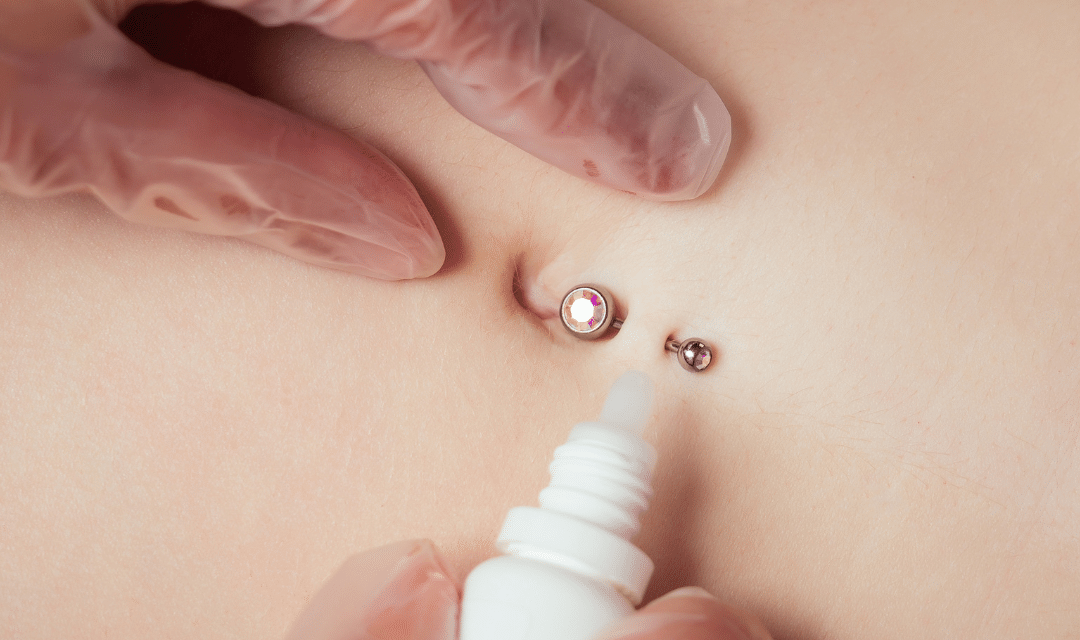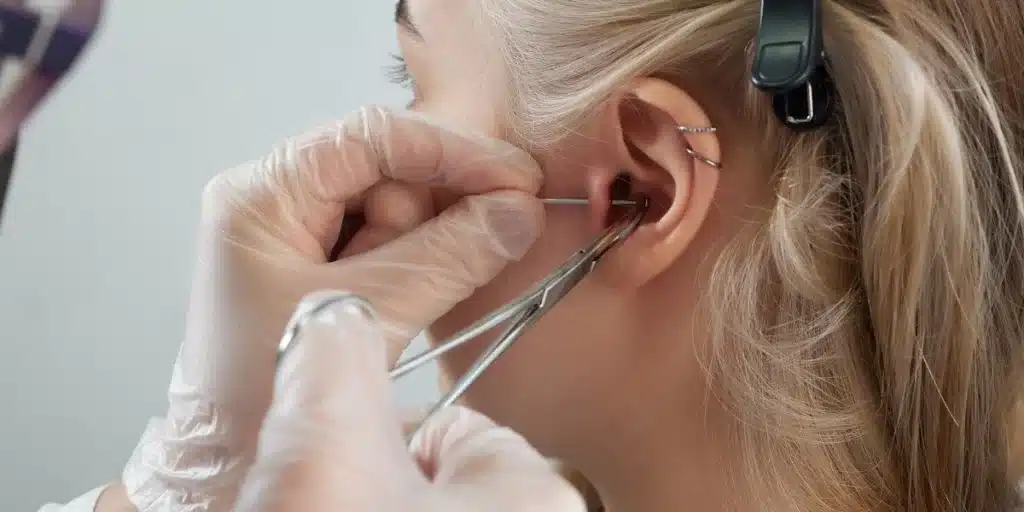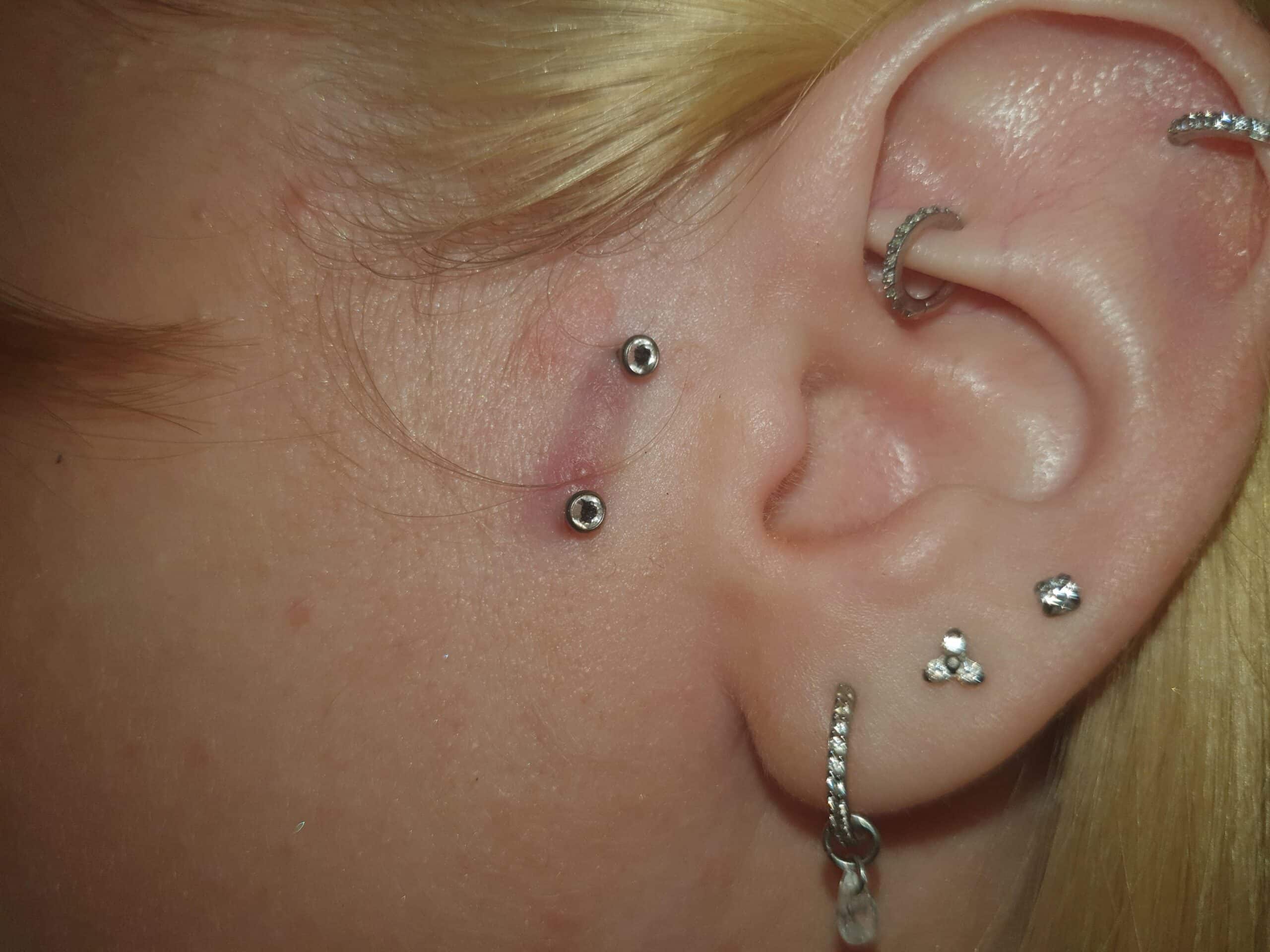

Body piercing is an aesthetic, personal and also a technical decision. But not always everything goes according to plan: one of the less talked about but quite common problems is the so-called piercing migration, i.e. when the jewellery starts to move more towards the surface of the skin, the hole “walks”, gets bigger and can end up shifting or even closing badly.
What does “migration” mean?
Migration is when the healed - or healing - piercing moves from its original position, moves forward, tilts, opens wider or “walks” to another location. It is not the same as rejection (where the body expels the jewel), although sometimes the two can be combined.
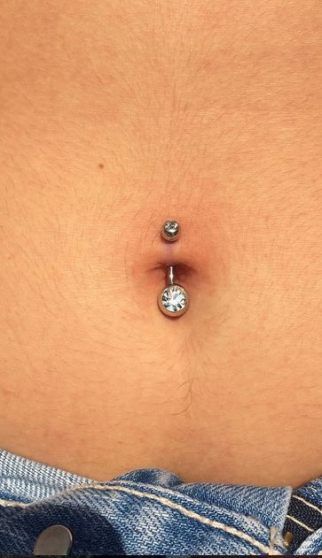
For example: a navel piercing that is initially centred, may over time “ride up” slightly, change angle or the jewellery may become shallower than expected.
Why does it happen? Causative factors
* Constant movement: Areas of the body that bend, rub against clothing or are handled are often more exposed to migration.
* Inappropriate jewellery: A bar that is too long, a hoop that snags, unsuitable material - all of these can cause tension in the tissue and cause the piercing to shift.
* Tissue type: In areas of thin cartilage or very tight skin, migration is more likely. Also depends on skin thickness, elasticity, individual healing.
* Insufficient healing: If, before the tunnel is well formed, the jewellery is changed or the area is subjected to stress, the tunnel may weaken and leave room for the perforation to drift.
* Constant pressure: Sleeping on the piercing, wearing tight clothing, carrying weight or hanging the jewellery too heavily can stretch the hole and facilitate migration.
Signs that your piercing is migrating
* The hole is wider on the outlet side than on the inlet side.
* The jewellery looks shallower than usual.
* The borehole has changed direction slightly.
* The earring is hooked more than usual.
* The surrounding skin has become irregular or a small bulge of tissue (sometimes called “ballooning”) has appeared.
If you detect these signs, it is time to act in time.
What can you do to prevent or correct migration?
- Check the jewellery: Make sure that the initial piece is suitable for the area (length, thickness, material). The ideal for the first fitting is something without tension, that does not protrude too much and that gives space for the initial swelling.
- Avoid tension when sleeping: Change posture if you sleep on the pierced area, use soft pillows, avoid putting pressure on the piercing.
- Choose quality, lightweight jewellery: Hypoallergenic materials (e.g. implant-grade titanium) and designs adapted to the area reduce the risk.
- Respect the healing phase: Do not change the jewel before the recommended time, avoid touching it, do not manipulate or turn it unnecessarily.
- Attention to clothing/hooks: Too tight clothing, belts, waistbands, chains hanging from the jewellery - all of these can encourage the piercing to “walk”.
What if it has already migrated, can it be fixed?
Yes, in many cases. Depending on the degree:
* If it is mild, you can change the jewel for a better adapted one (shorter, lighter) and observe.
* If it is badly displaced or the tunnel is too wide, re-drilling may be necessary, perhaps in a slightly different position, with good material and good advice.
* In extreme cases the jewellery should be removed, the tissue allowed to heal and then a new piercing considered when the skin is stable.
If you have any questions about your drilling you can contact: